
Let's Talk!
Thank you for being here. My goal with my photography has always been to share my experiences and my unique perspective with you. I want to focus more of my energy on delivering in-depth, intentional content to you. I hope a specifically curated newsletter, delivered directly to your inbox proves to be valuable to you.
Please let me know your thoughts. Really. I want to know what you think about the content I am delivering in my quarterly newsletters. Do you want to see something else? Do you want to hear from me more often or less often? Is there a specific topic you want me to talk more about? Is there a trip I have taken that you want to hear more about?
Please send me a message here or send an email with your input.
I genuinely want to hear from you!
I genuinely want to hear from you!

It is Finally Fall!
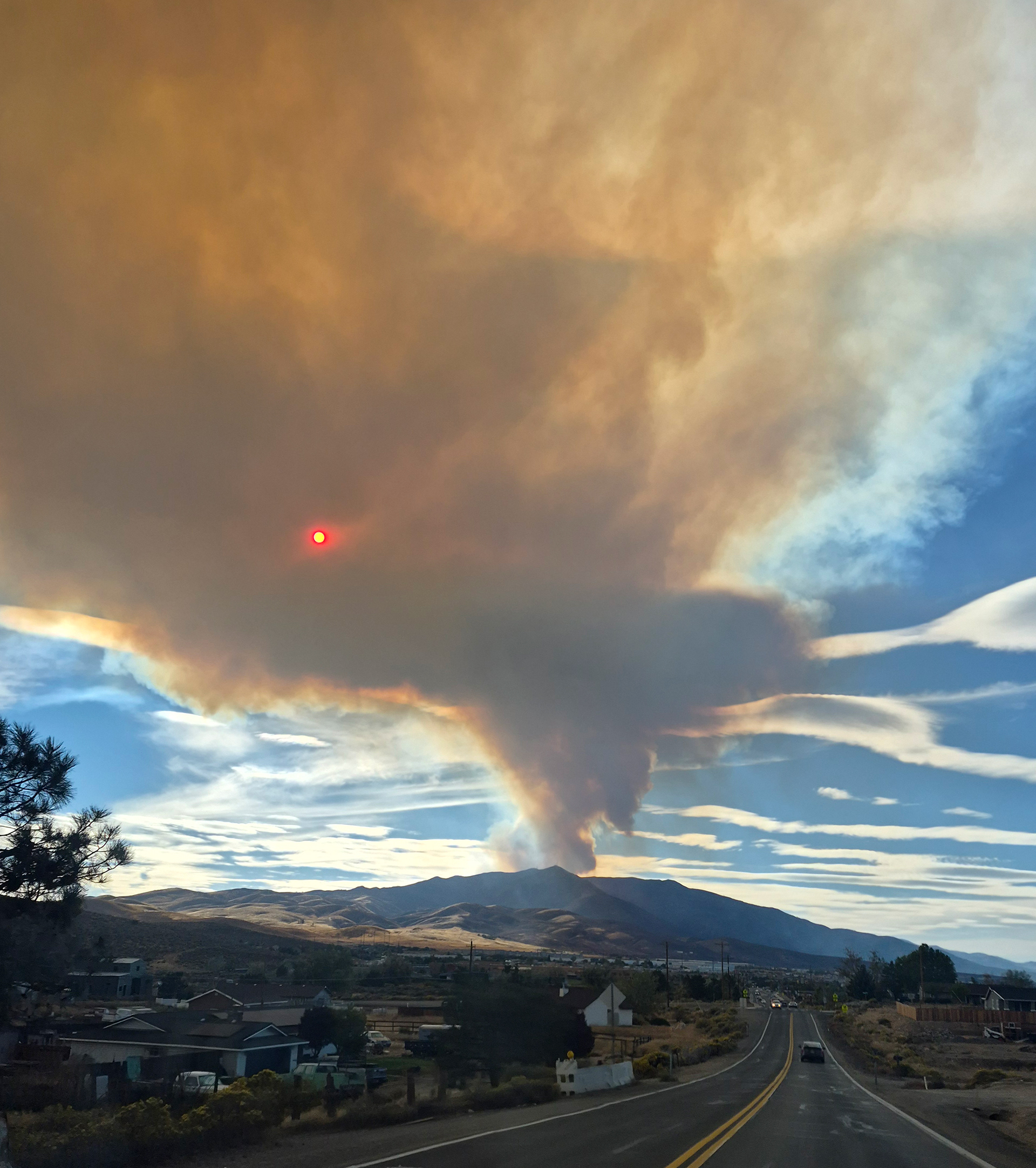
Northern Nevada experienced a very hot summer filled with several very large and destructive fires. A 2026 Climate Central study using NOAA data found that Reno, NV had the largest increase in summer temperatures of any U.S. city. 2026 U.S. wildfire season is one of the most destructive and active in over a decade. Our community experienced significant losses with many homes burned and several human casualties. Needless to say, it has been a rough summer.
Pictured here: Plumes of spoke filling the air from the Bull Fire which started on October 2nd and burned 1,529 acres. This was one of the smallest fires our area witnessed this season.
Thankfully, change is in the air. The leaves are falling and so are the temperatures. The air is crisp and the days are growing shorter. While we are happy for a reprieve from the scorching temperatures, we are bracing for what may be a very wet winter. The 2026–2027 winter will be shaped by a developing El Niño pattern. This typically means above average snow-fall. However, Reno's placement between Sierra mountain ranges means the winter weather is more difficult to predict. Regardless of the weather predictions, we hope for a good snow-pack to help alleviate the threat of another destructive fire season.

Greenland
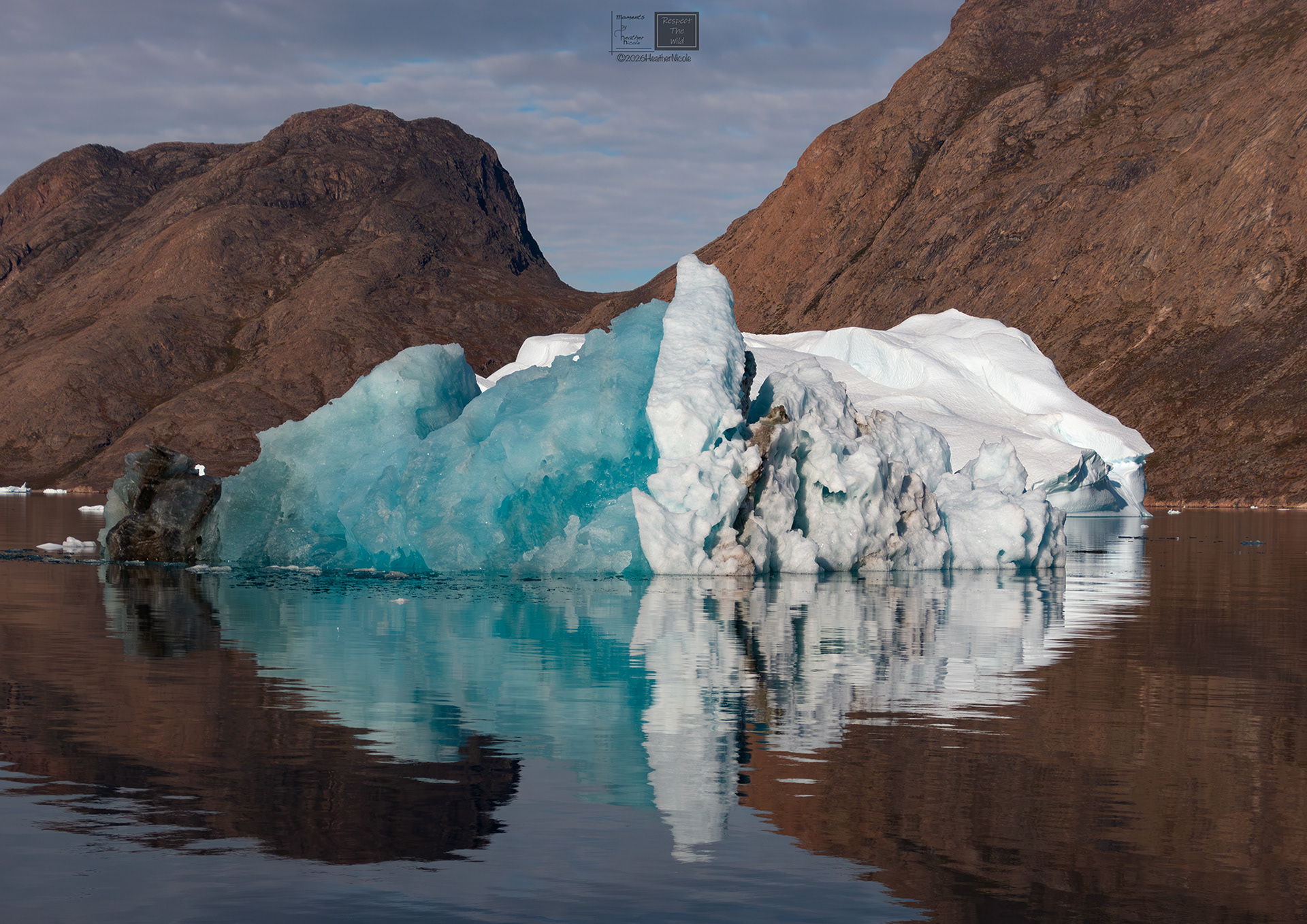
Something Old. Something New. Something Borrowed. Something Blue.
©MomentsbyHeatherNicole
If I could describe my experience in Greenland with one word, it would be 'impossible'. The ice structures are impossible to understand. The scale is impossible to comprehend. The scenery is impossibly beautiful. The colors reflecting in the ice are impossible to fathom. The people are impossibly resilient. The entire experience was impossible to put into words.
How does one depict the gravity of standing in the presence of ice that is thousands of years old? Or the magnitude of observing musk oxen whose ancestors have traversed the landscape for millions of years?
How does one depict the gravity of standing in the presence of ice that is thousands of years old? Or the magnitude of observing musk oxen whose ancestors have traversed the landscape for millions of years?
Impossible.
I do not have the worlds. Instead, I will share my experience with photographs.
Enjoy.
Enjoy.
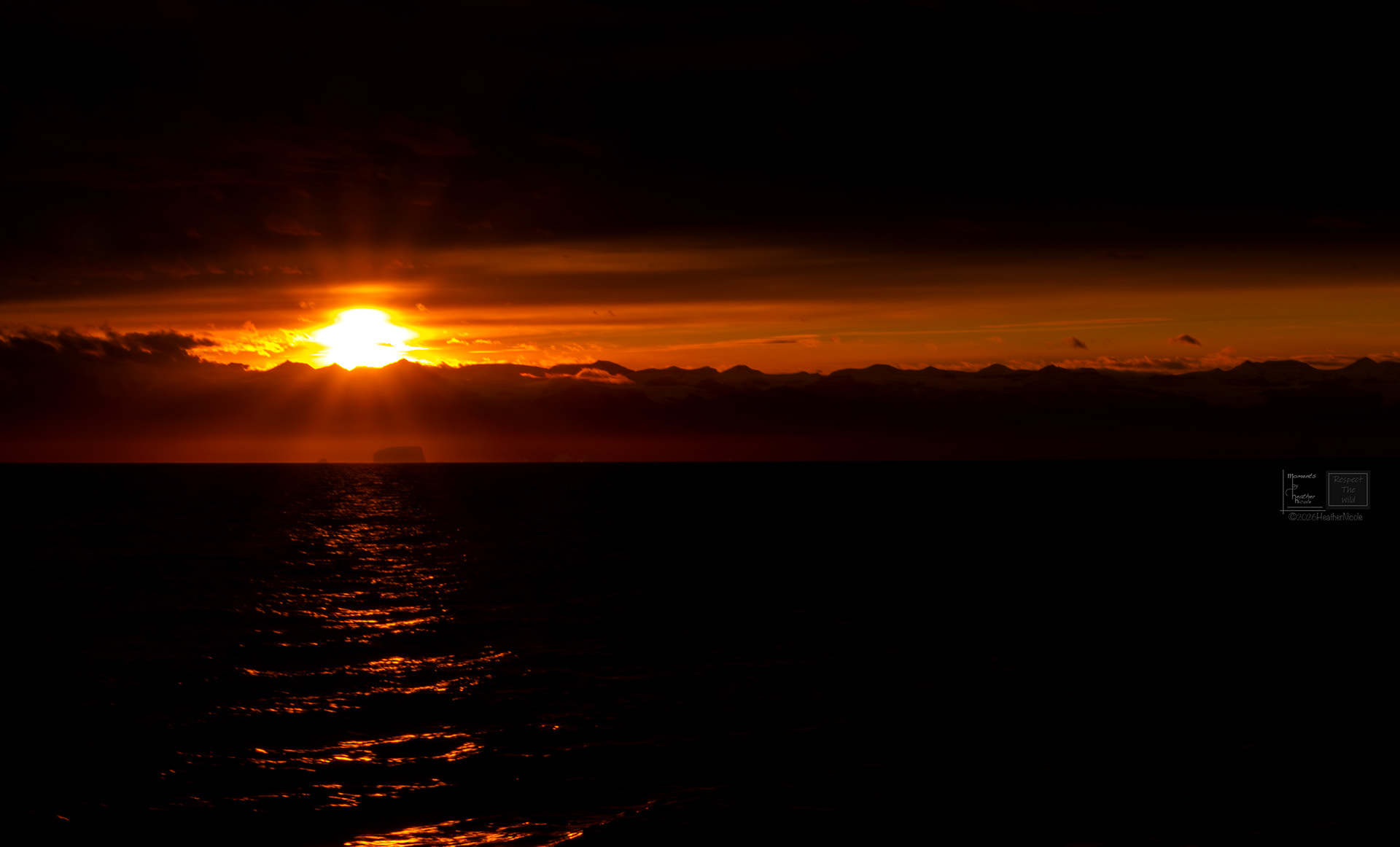
The First Sunset
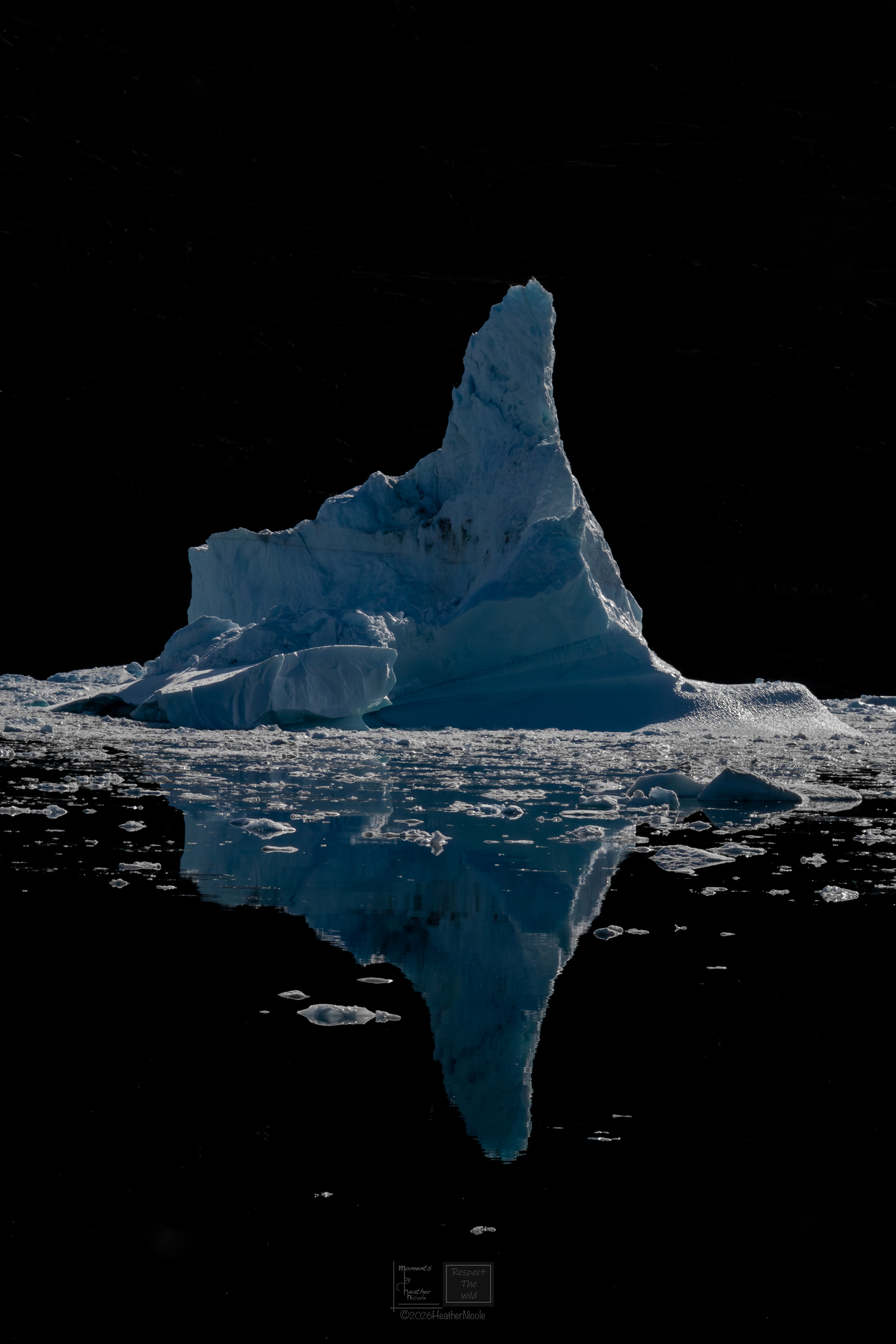
Black and Blue

The Iceberg
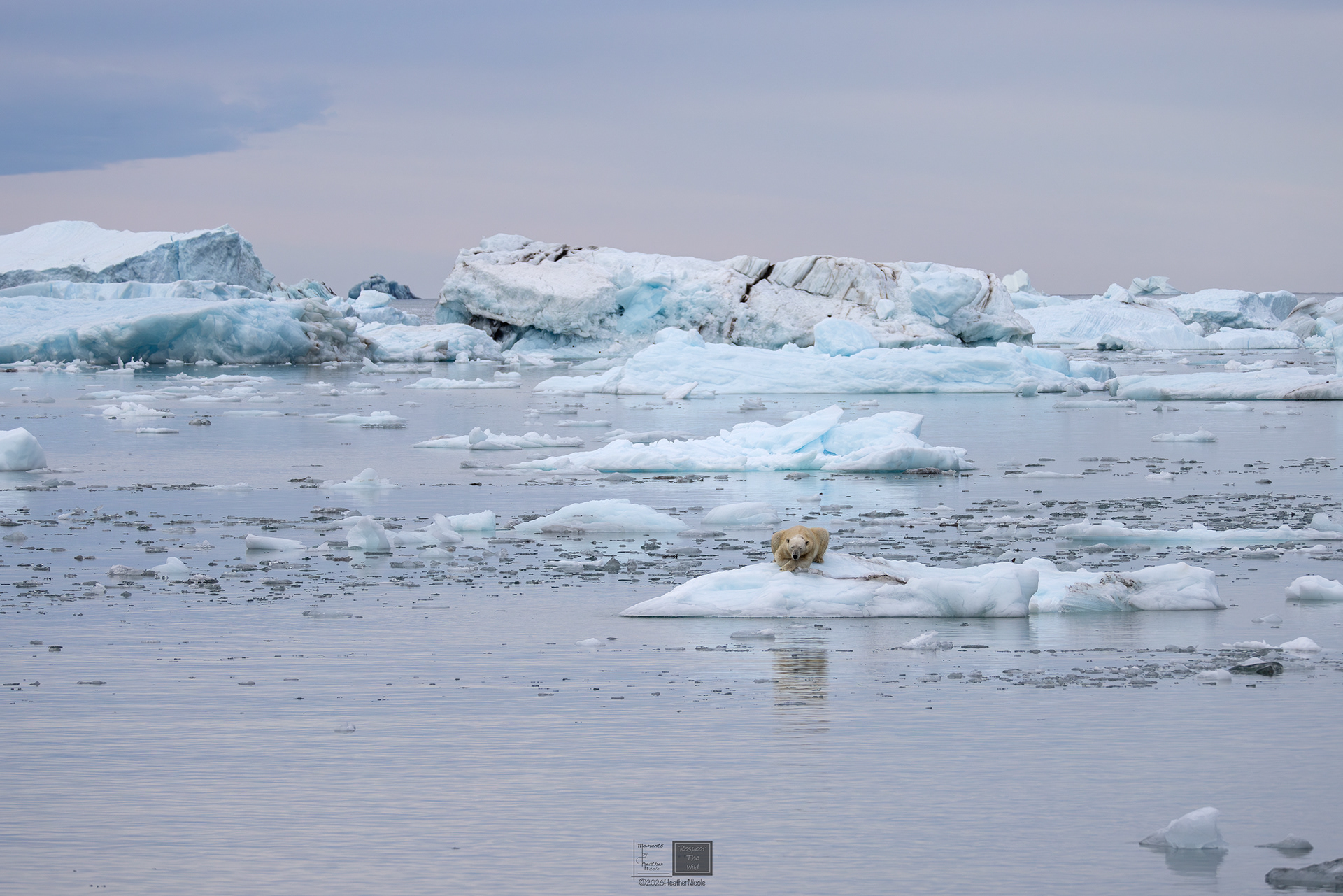
Patience
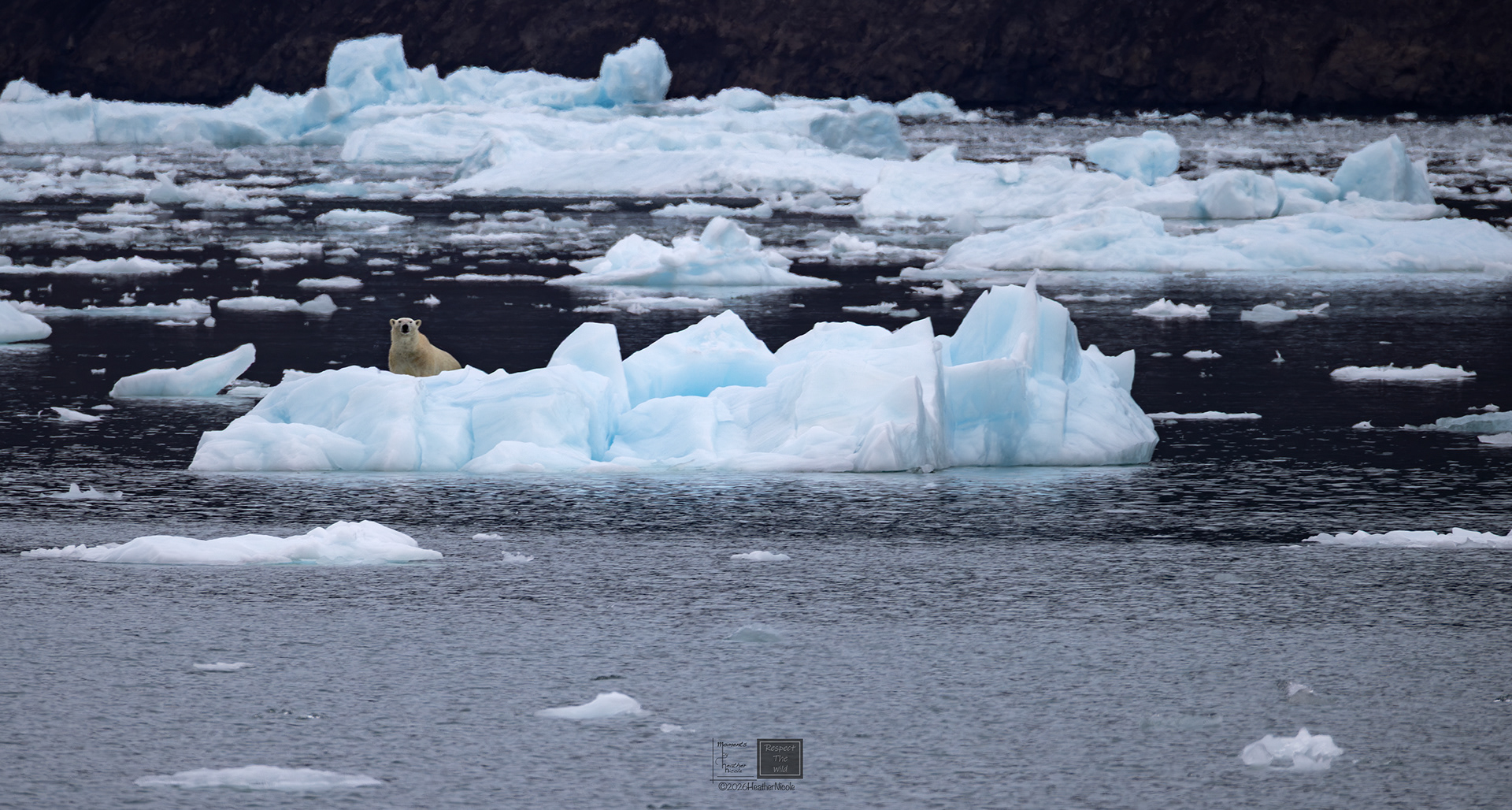
Oservation of an Observer
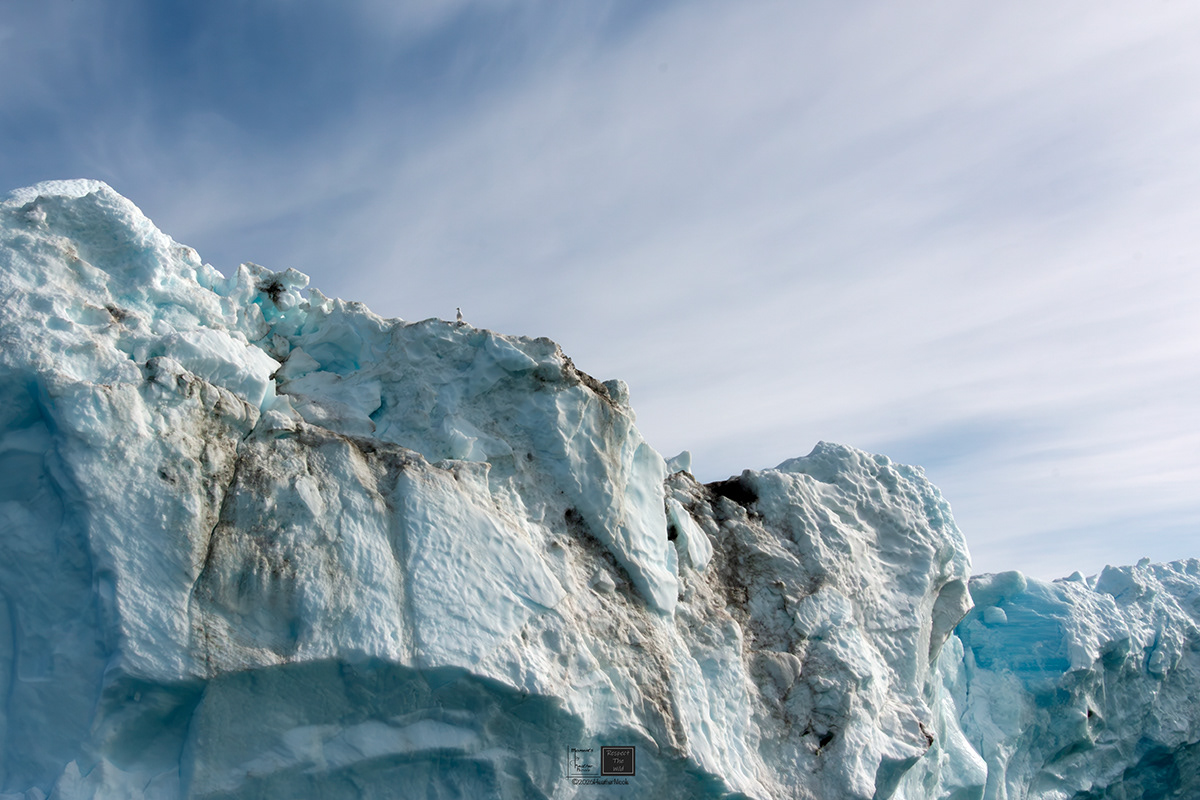
A gull defends her home.
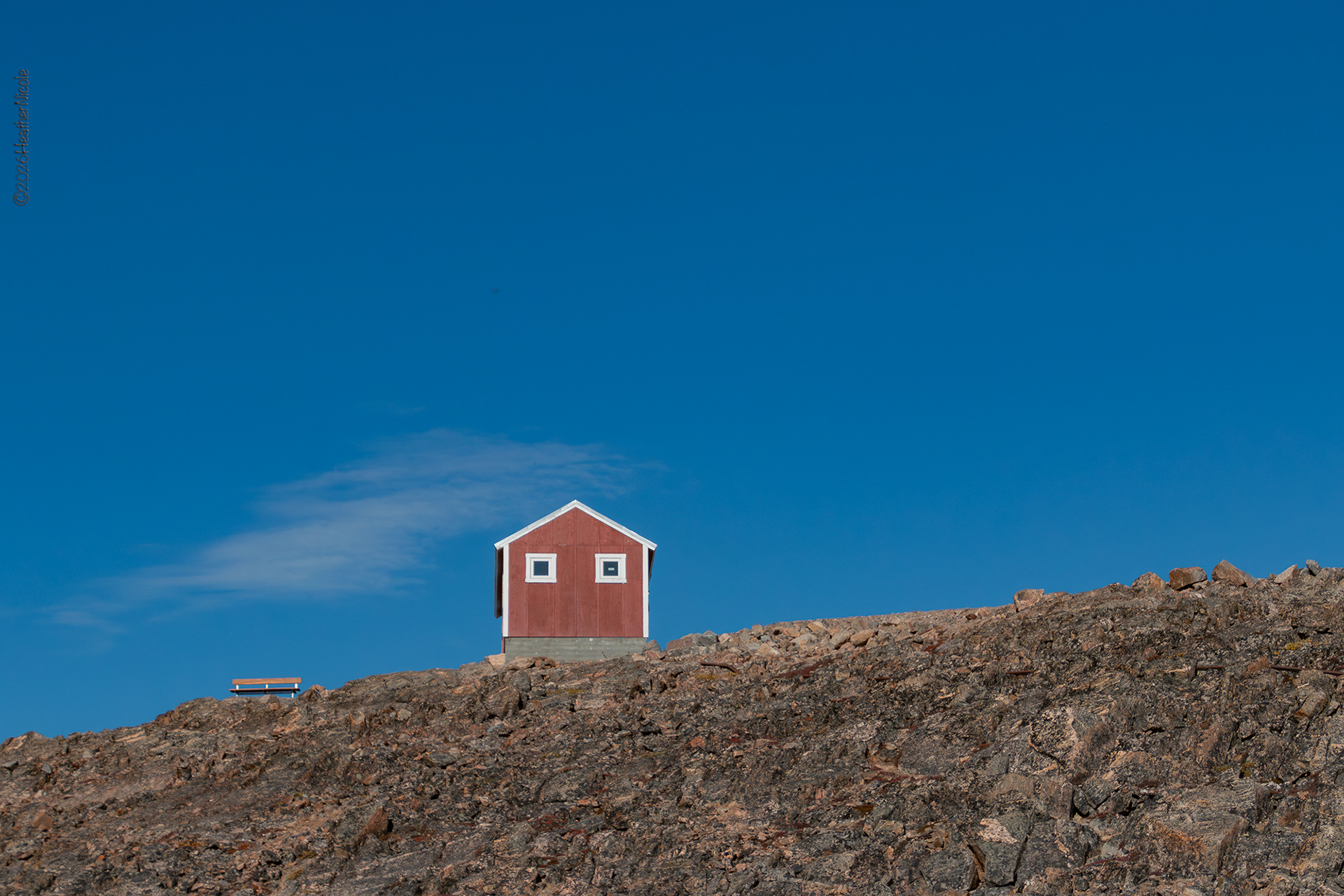
Simplicity
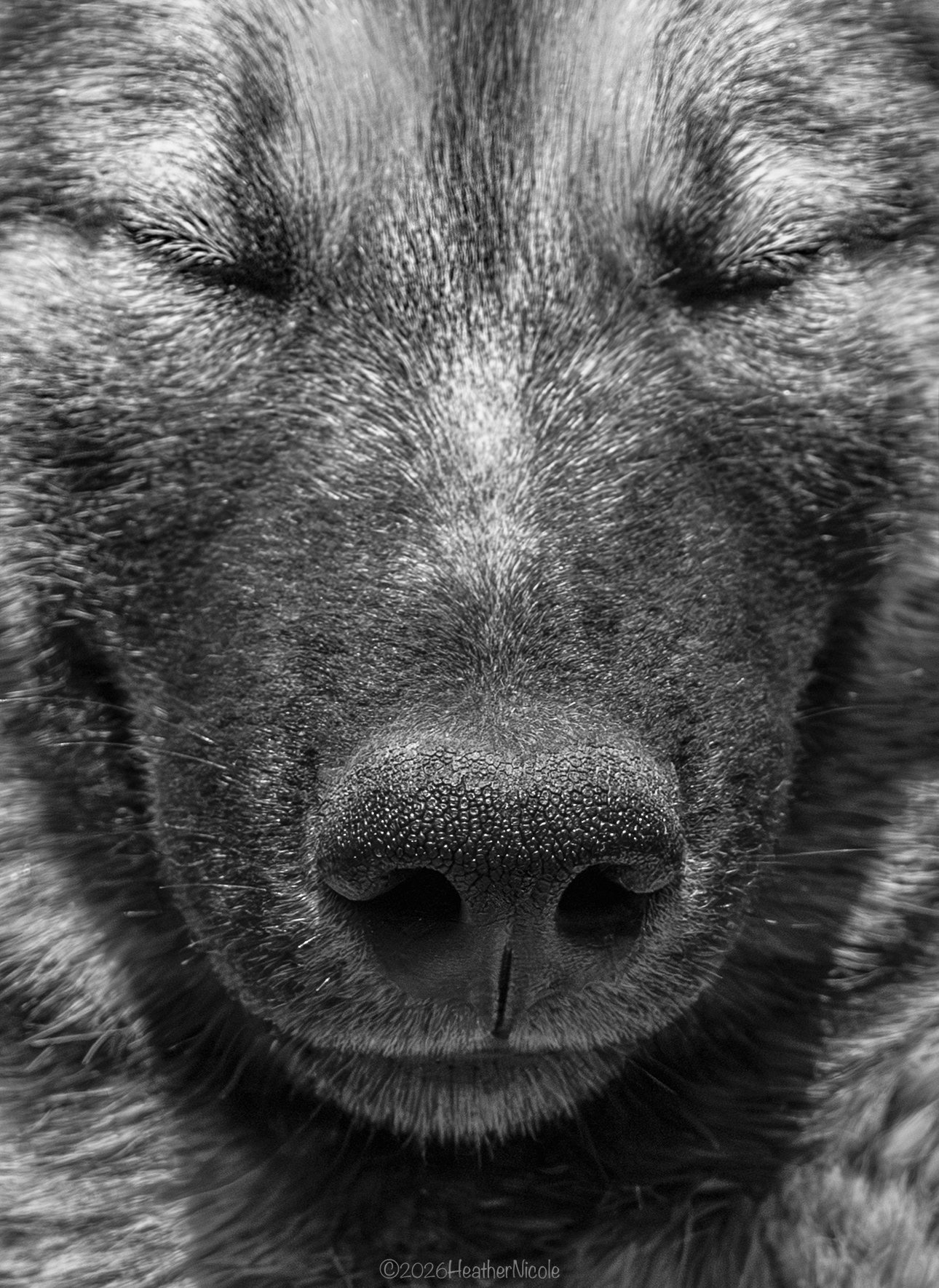
The Greenland Dog

The Musk Oxen

Ladder to Nowhere

Ladder to Somewhere

The Arctic Hare
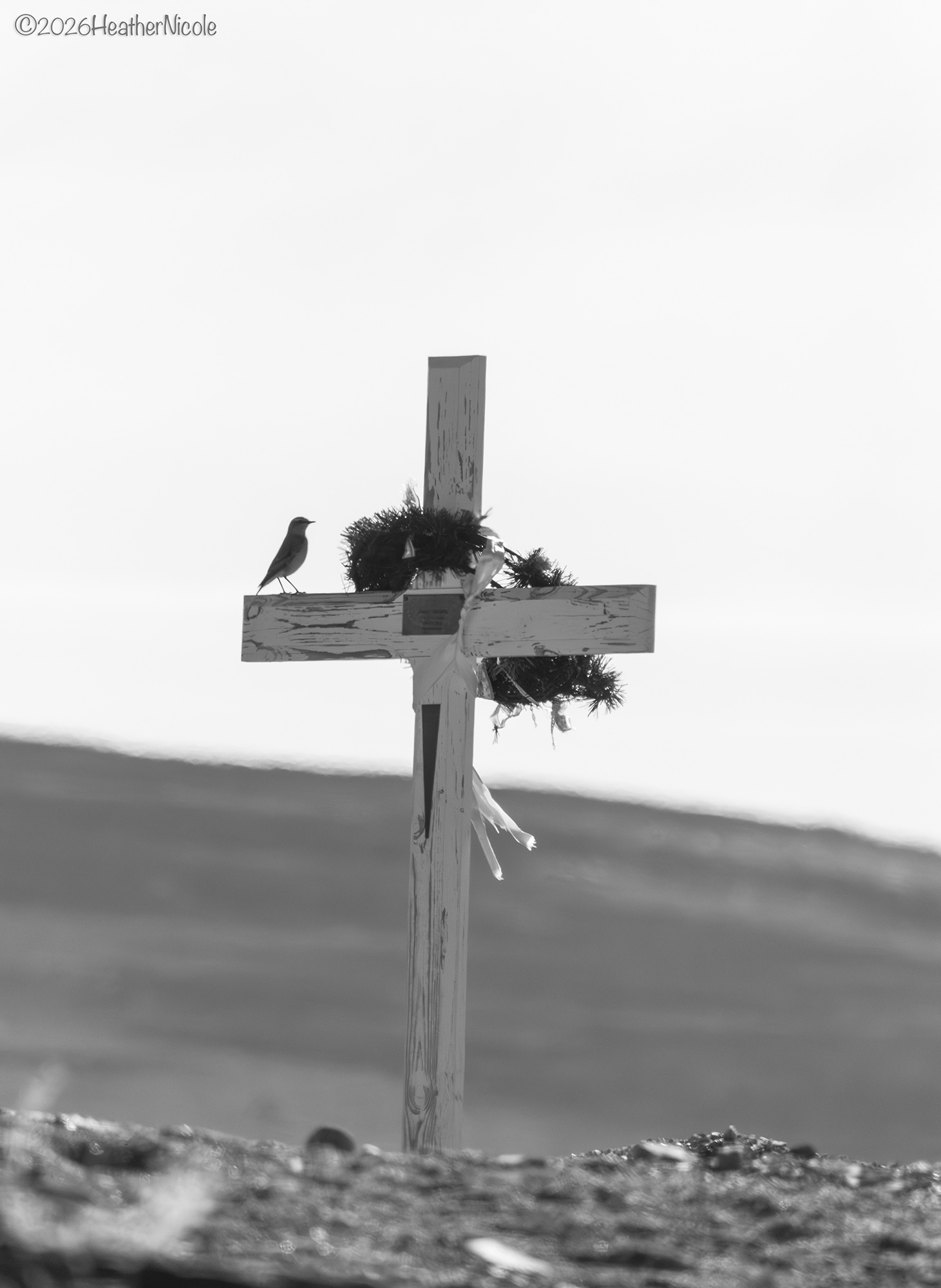
The Visitor
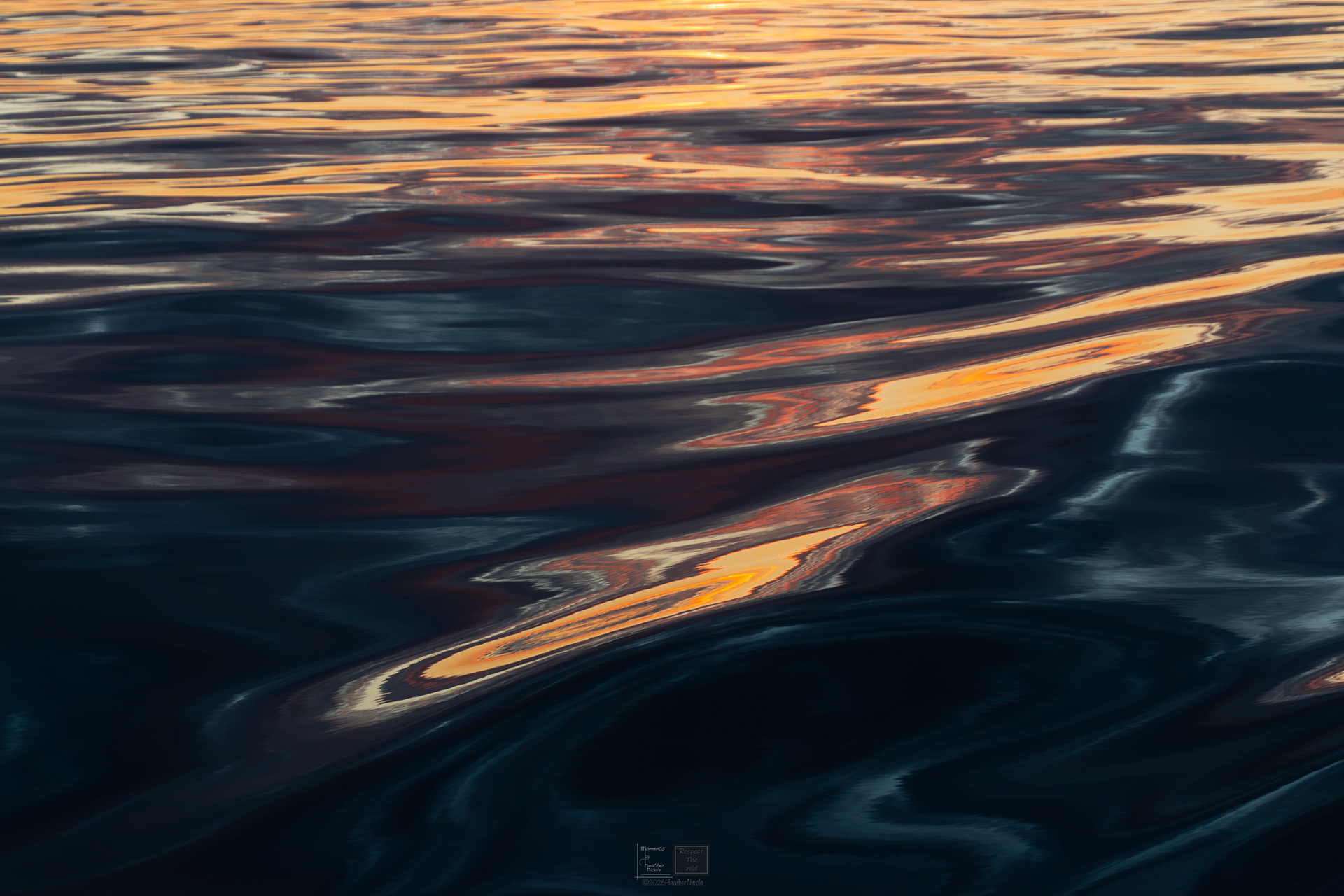
Colors in the Water
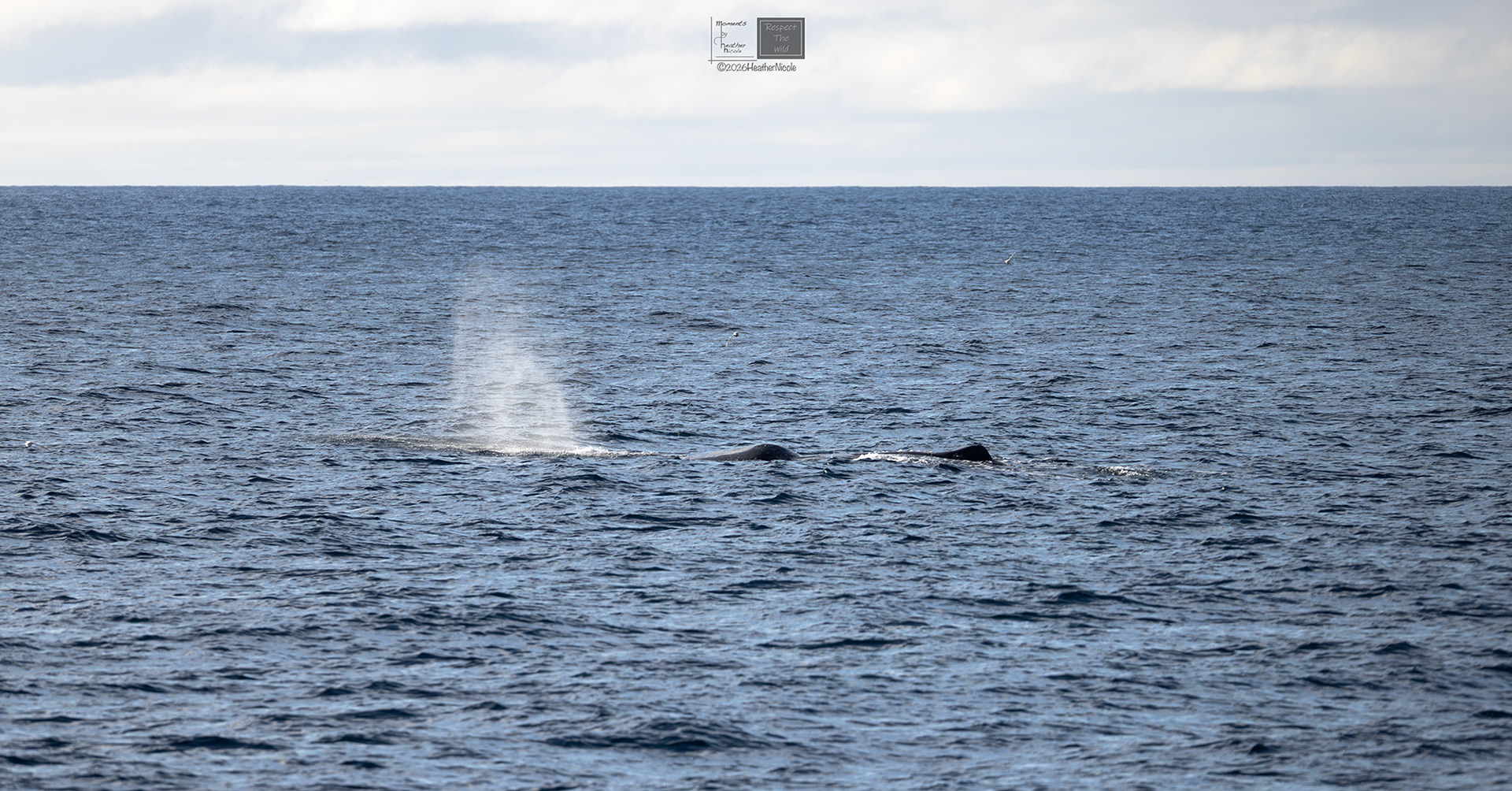
The Spermwhale
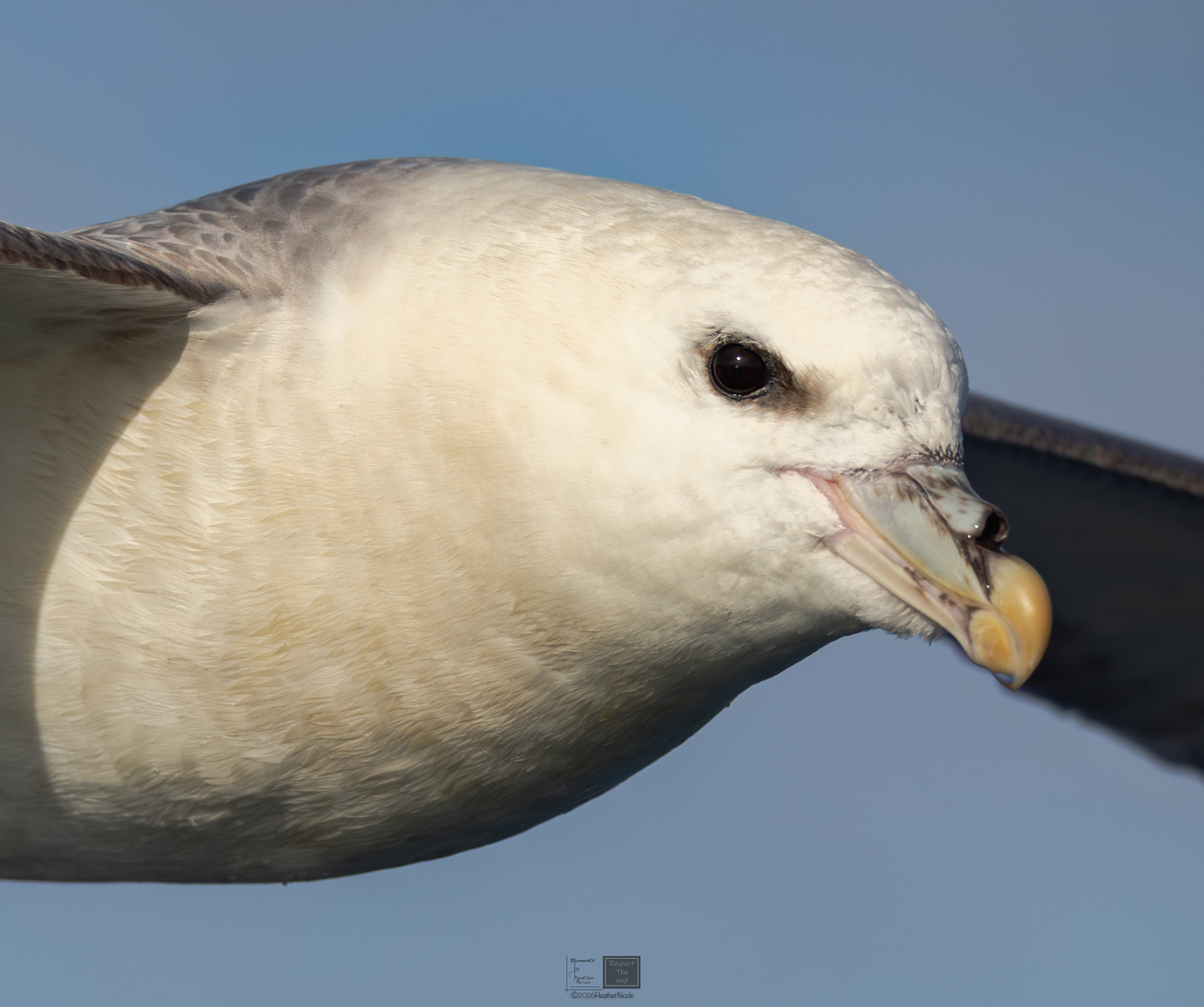
The Northern Fulmar

The Orca
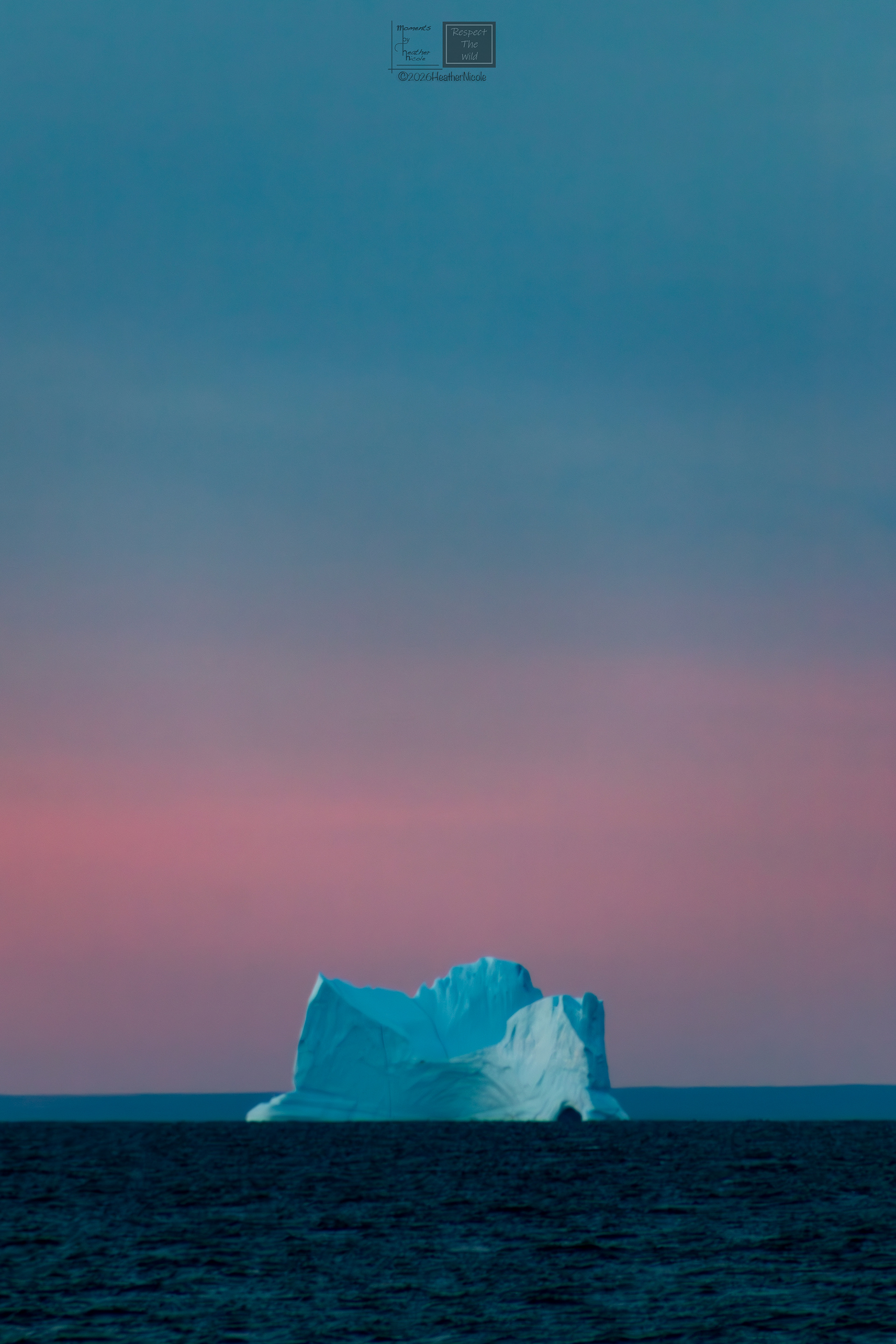
Cotton Candy Sunset
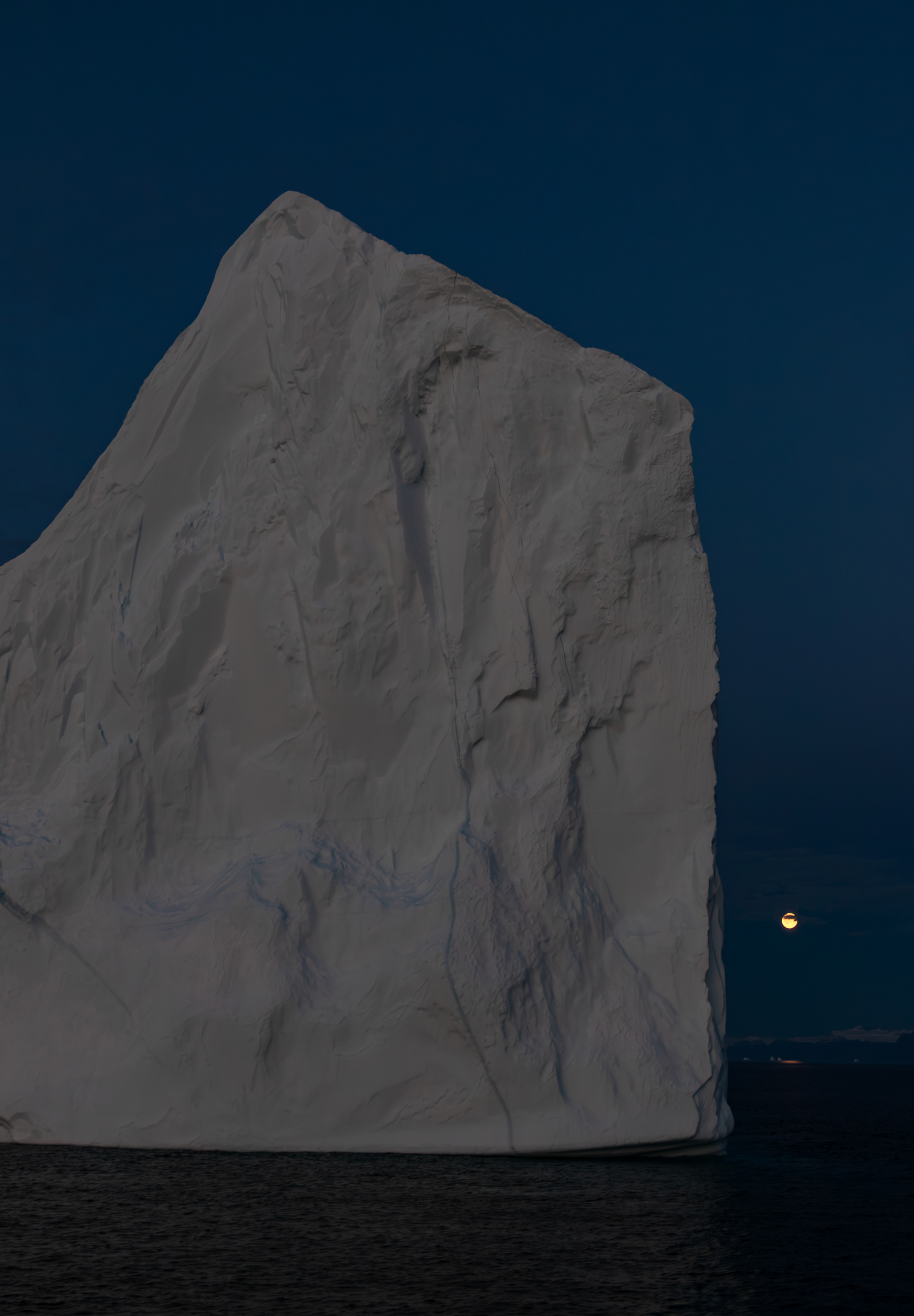
Full Moon Rising
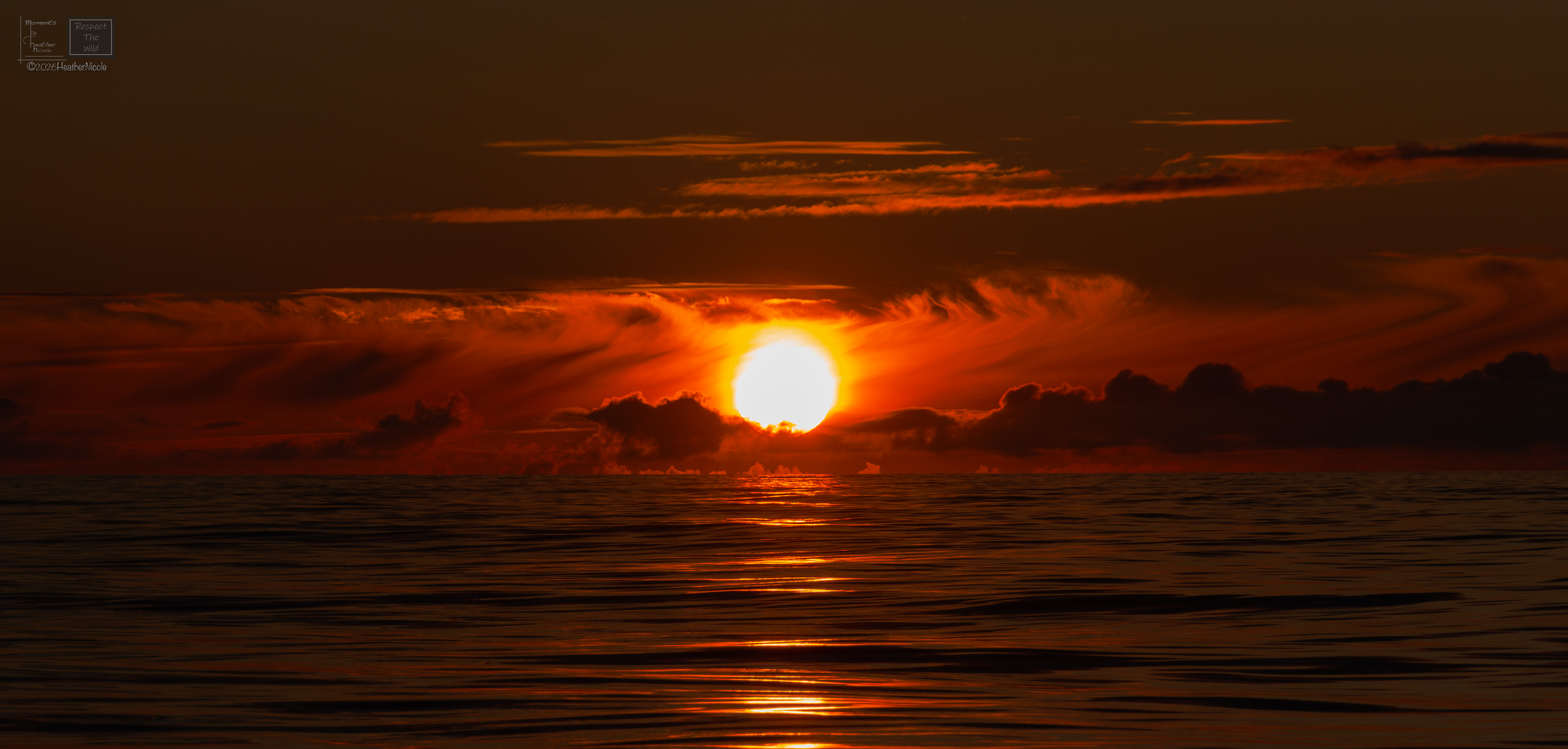
The Last Sunset

ANNOUNCEMENTS!
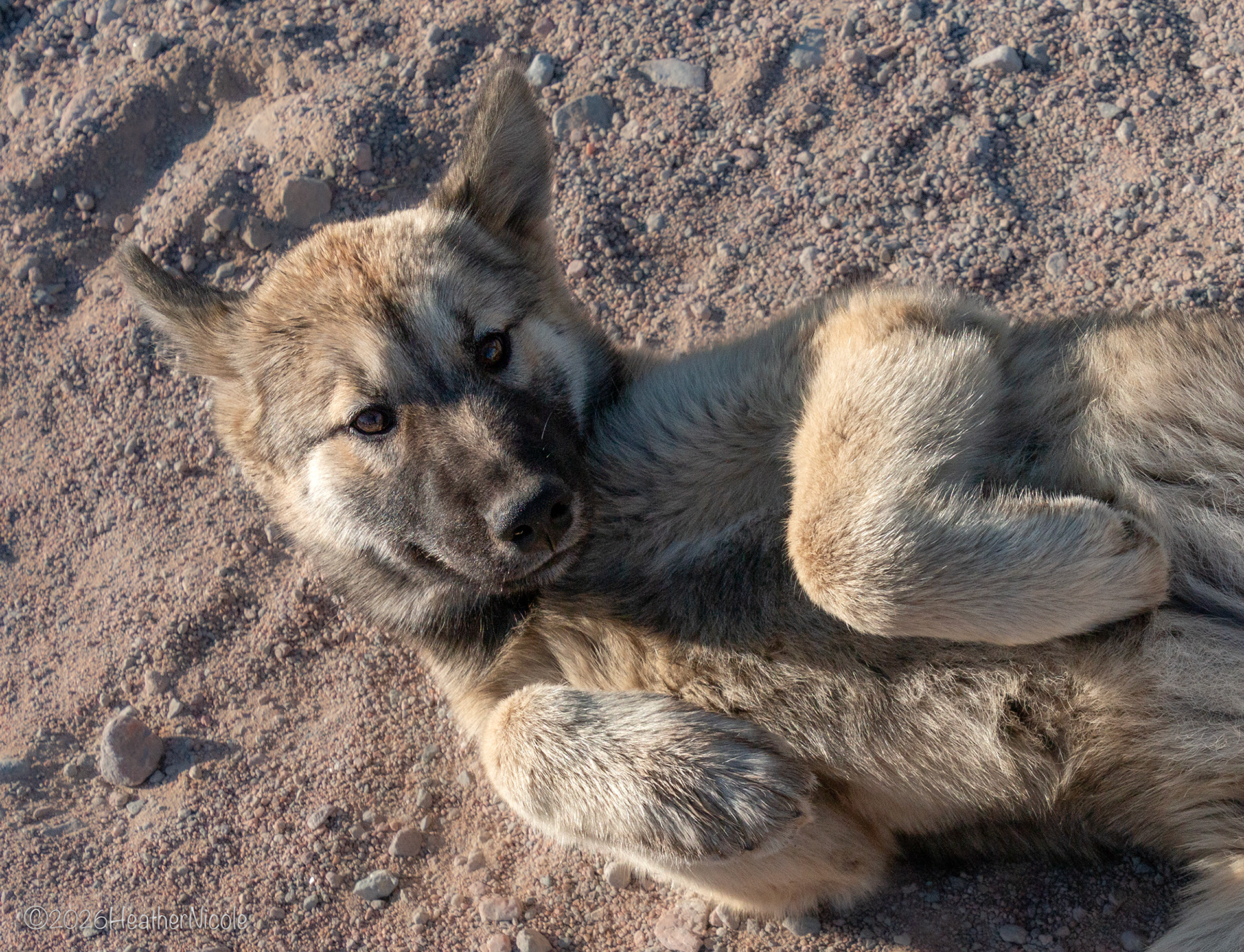
Nora
©MomentsbyHeatherNicole
Nora politely asks for your attention.
How can you deny?
How can you deny?
Finalist
"Lessons"
Nikon Comedy Wildlife Awards
This is an international photography competition which received over 10,000 entries from 112 countries. The finalist's funny photos have been shared far and wide. Check out the finalists and vote for People's Choice Here.
The winners will be announced at an awards ceremony in London on December 8th, followed by a gallery exhibit at Oxo Gallery December 9th-13th, featuring all of the finalists.
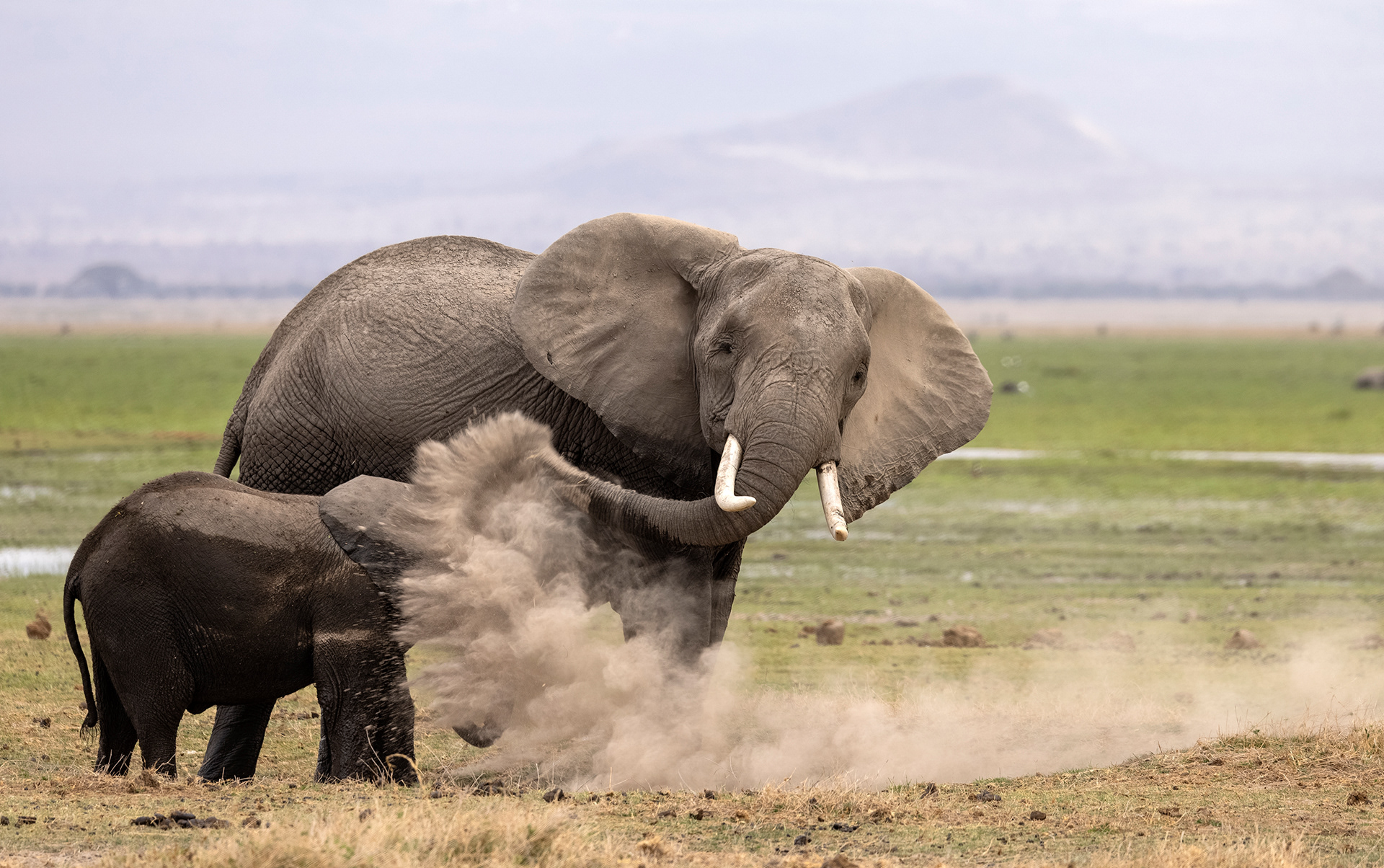
Lessons
©MomentsbyHeatherNicole
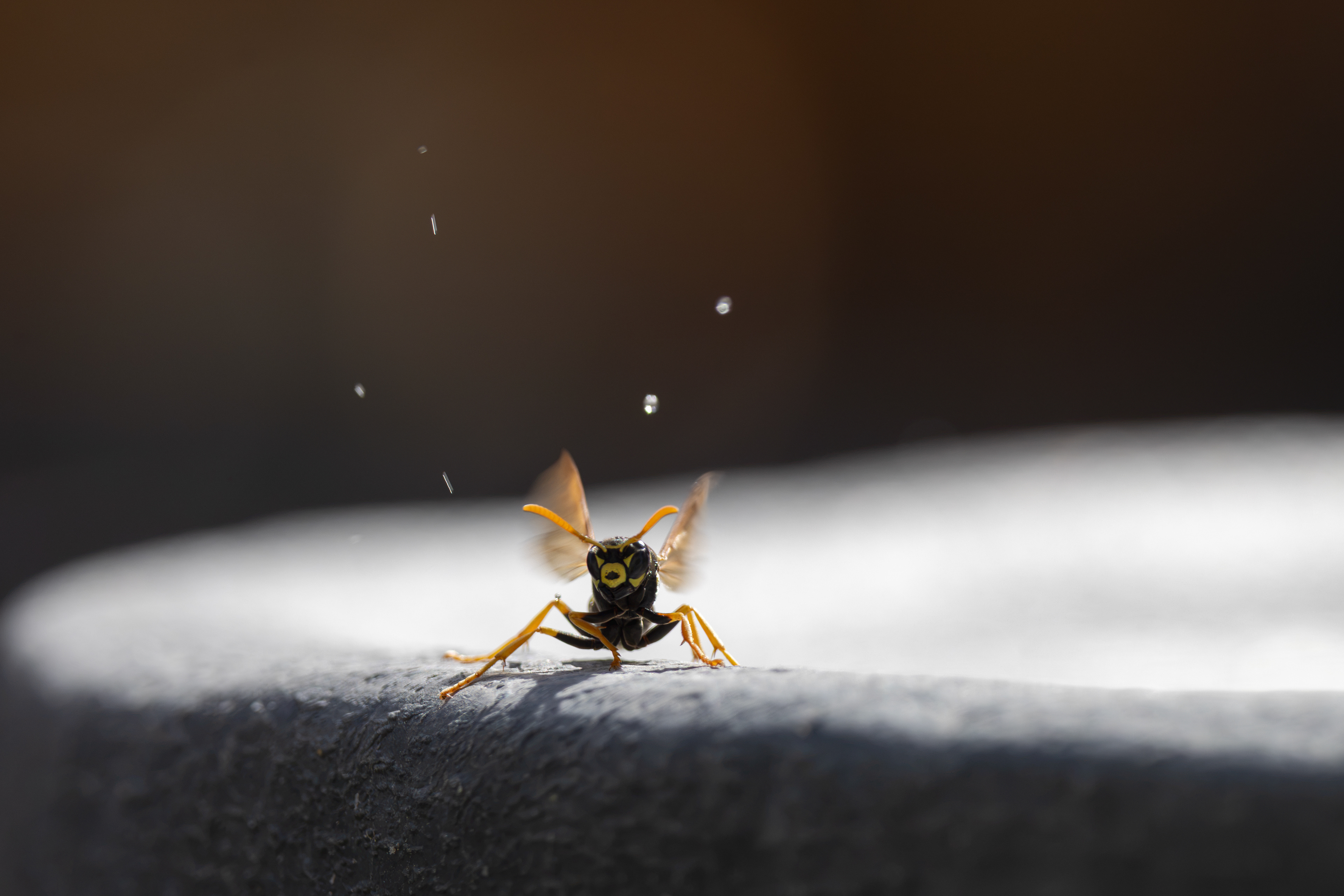
Spit Take
©MomentsbyHeatherNicole
©MomentsbyHeatherNicole
Published
"Spit Take!"
Published in Bugs!
A Catch Light Magazine Exhibition by Joyfully Green.
Purchase your copy of Catch Light Magazine, Issue 12, here.A Catch Light Magazine Exhibition by Joyfully Green.
Or, check out the exhibition catalogue here.
I am honored to have an image featured in this exhibition. Please consider supporting small business and artists by purchasing your own copy of this unique magazine. Issue 12 features the works of 102 talented artists from all around the world in 2 Catch Light exhibitions; "Water" and "Bugs!"
Coming Soon!
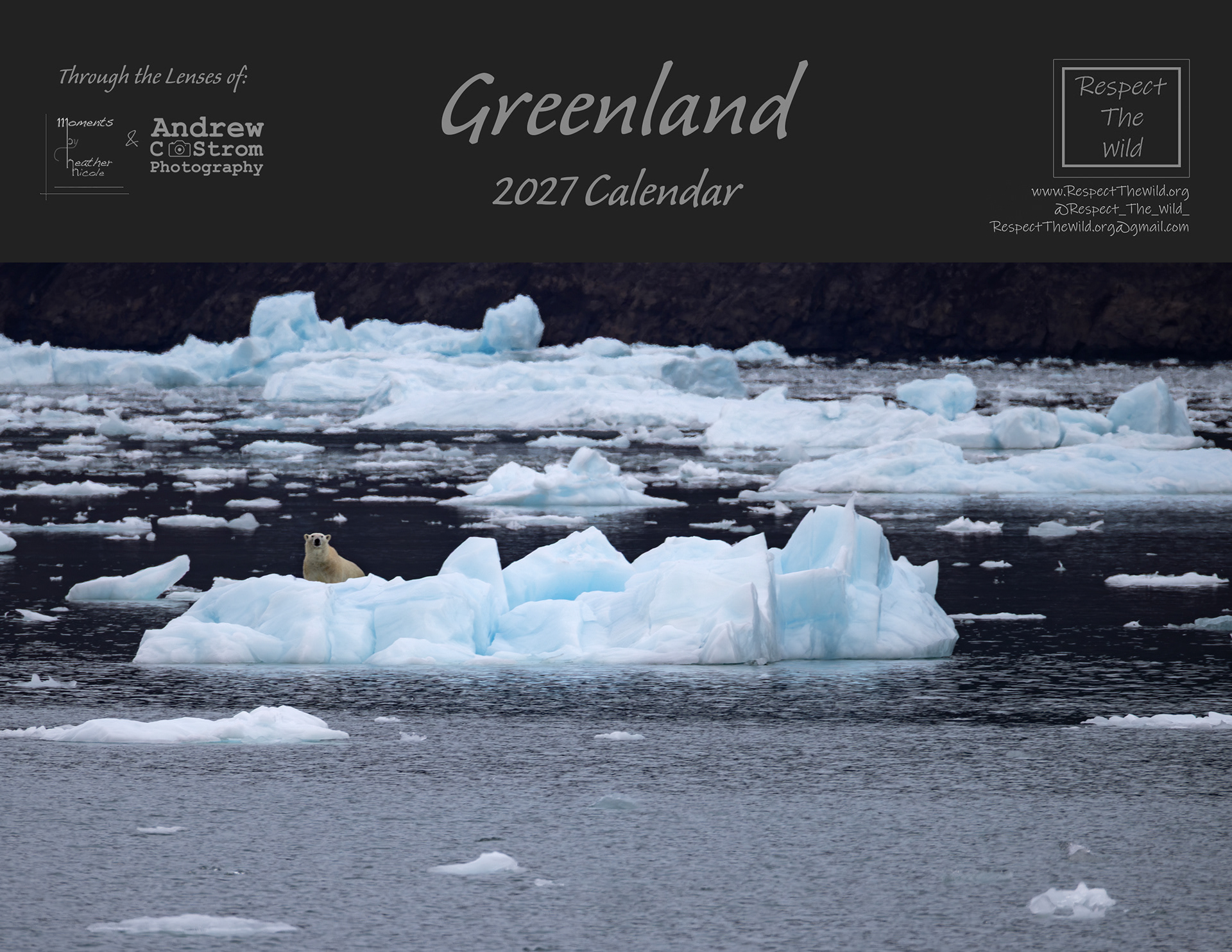
The Respect The Wild 2027 Calendars have been ordered!
We are doing a limited supply this year so place your orders early.
Contact me here to order yours.
We are doing a limited supply this year so place your orders early.
Contact me here to order yours.
A portions of all sales will be donated to a conservation focused non-profit.
Thank you for your support.
Thank you for your support.

©RespectTheWild
Reno Tahoe International Art Show
RTIA Show: Recap
The Reno Tahoe International Art show was a big success! We made lots of great connections and had so many beautiful conversations with beautiful people who connected with the mission of Respect The Wild.
We came away from the show encouraged and enlightened. We have a lot of work to do but we are excited!
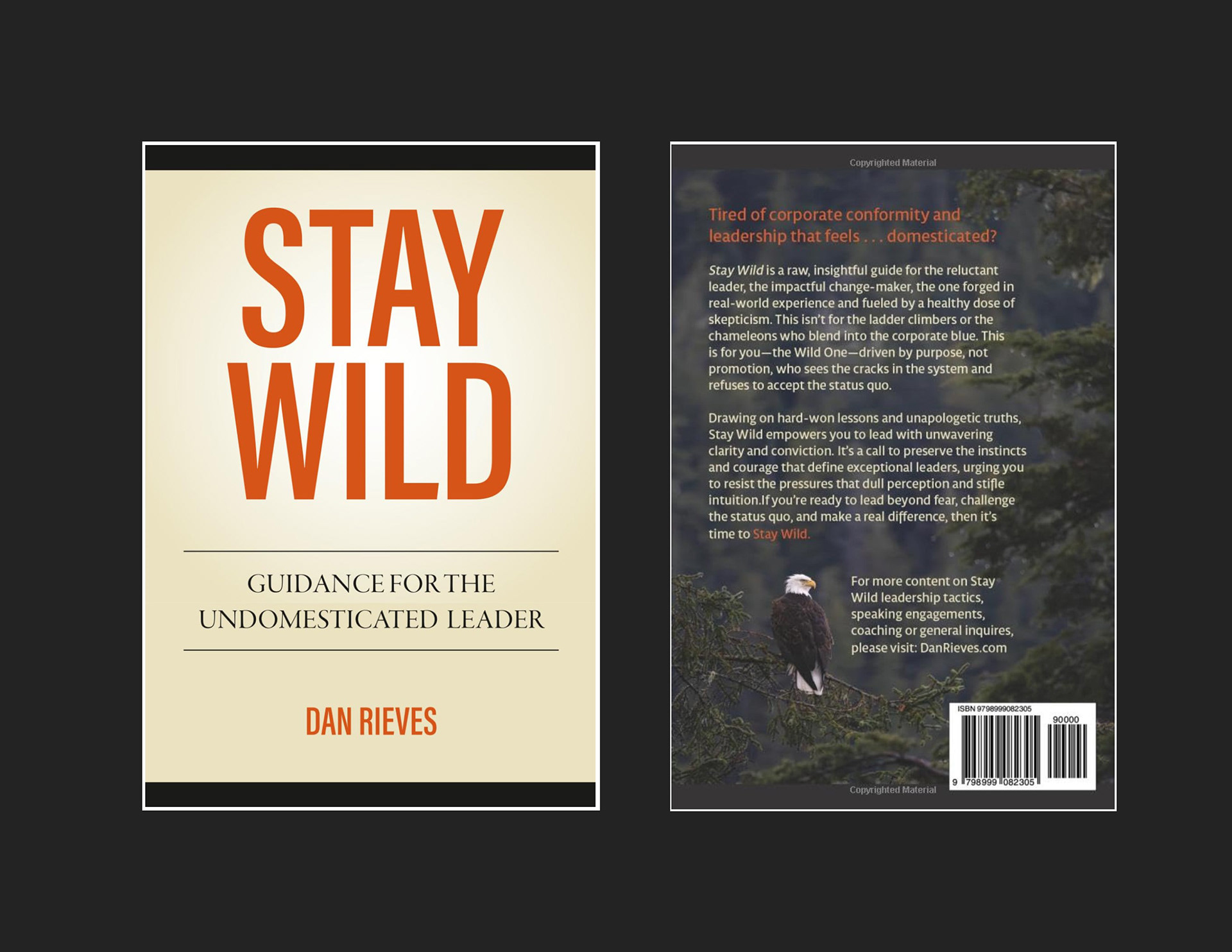
Stay Wild
Guidance of the Undomesticated Leader is available for purchase now!
This fantastic guide book, written by Dan Rieves, offers excellent guidance and advice for anyone wanting to break through corporate conformity.
And it features my photography throughout the book!
And it features my photography throughout the book!
Click here to order yours!

Conservation Corner
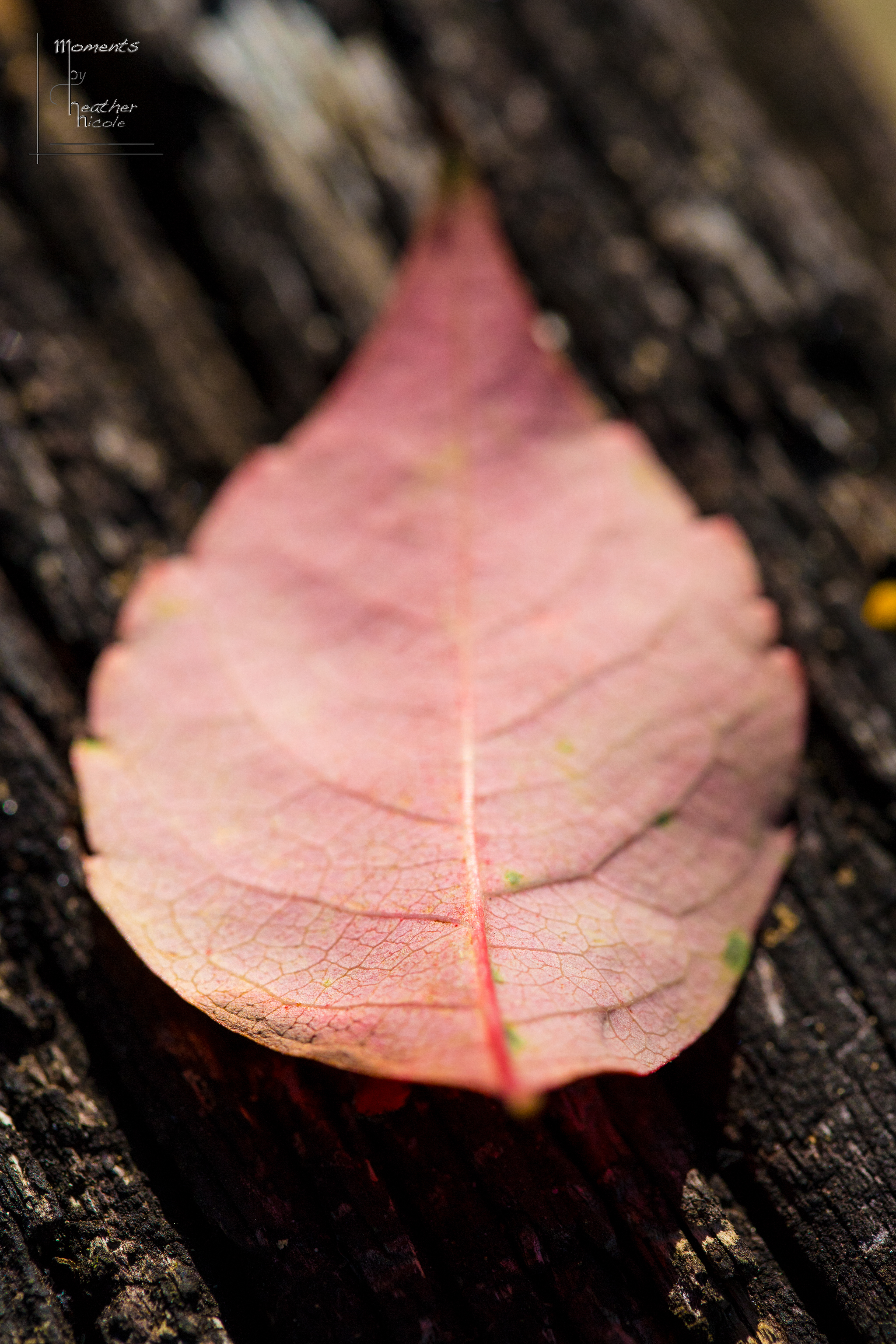
Leave the Leaves
Skip the yard clean-up! Save your back while saving your yard and the environment!
Using photography, I'd like to document the benefits of composting yard waste such as fallen leaves.
I will instruct my students to document their own yard or those of their neighbors. Observe and document the health of the lawn and trees of those who compost, compared to those who rake the leaves and those who do no clean-up at all. Observe and document the health of the garden plants of those who use composted leaves and those who don't. Observe and document the health and abundance of wildlife in the area of those who clean the leaves versus those who don't.
Guiding Questions
What are the pros and cons to yard clean-up in the Fall?
What impact does disposing of leaves/yard waste have on the environment?
What is the environmental impact of NOT disposing of yard waste?
What impact does yard clean-up have on your yard?
What is the impact on your yard of NOT raking leaves in the Fall?
What is the financial impact of yard clean-up?
Supporting Resources
Consider the habits of your own family or those in your neighborhood. Pull from your own experience and knowledge to provide input about yard clean-up pros and cons you have encountered. Study research that has been done by the EPA as well as scientific papers to identify pros and cons or yard cleanup.
🐝
Introducing: The Leafcutter Bee!
Did you know, there are over 1,500 species worldwide, with up to 240 species native to North America? If you had asked me a few weeks ago "What do you know about leafcutter bees?" I would have responded with "What is a leafcutter bee?" About a month ago I noticed these very busy bees zig-zagging around the backyard patio. Since then I have been obsessed! Lately, all of my down time is spent watching, photographing, and researching these adorable bees!
Leafcutter Bee
©MomentsbyHeatherNicole
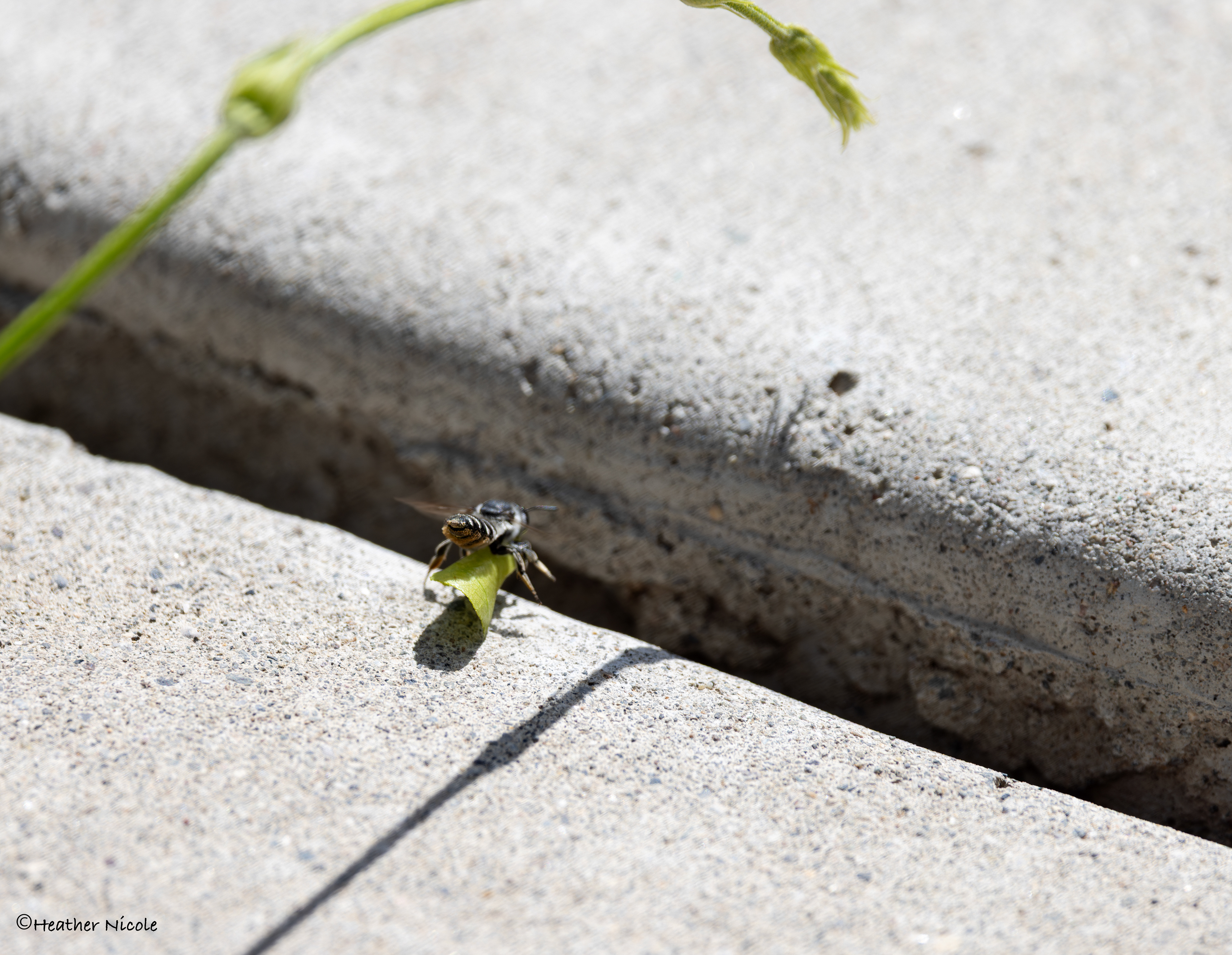
Leafcutter Bees (megachile) don’t live in large colonies as honey bees do; there is no queen bee. Most are solitary, meaning that each mother takes care of her own brood. They nest in a variety of cavities in wood or hollow stems. There are even some that nest underground, like this ⬆️⬇️ lovely lady! She is building her nest in a crack in the pavement! So cool!
Leafcutter bee bringing a leaf into her nest.
A pollen covered bee butt!
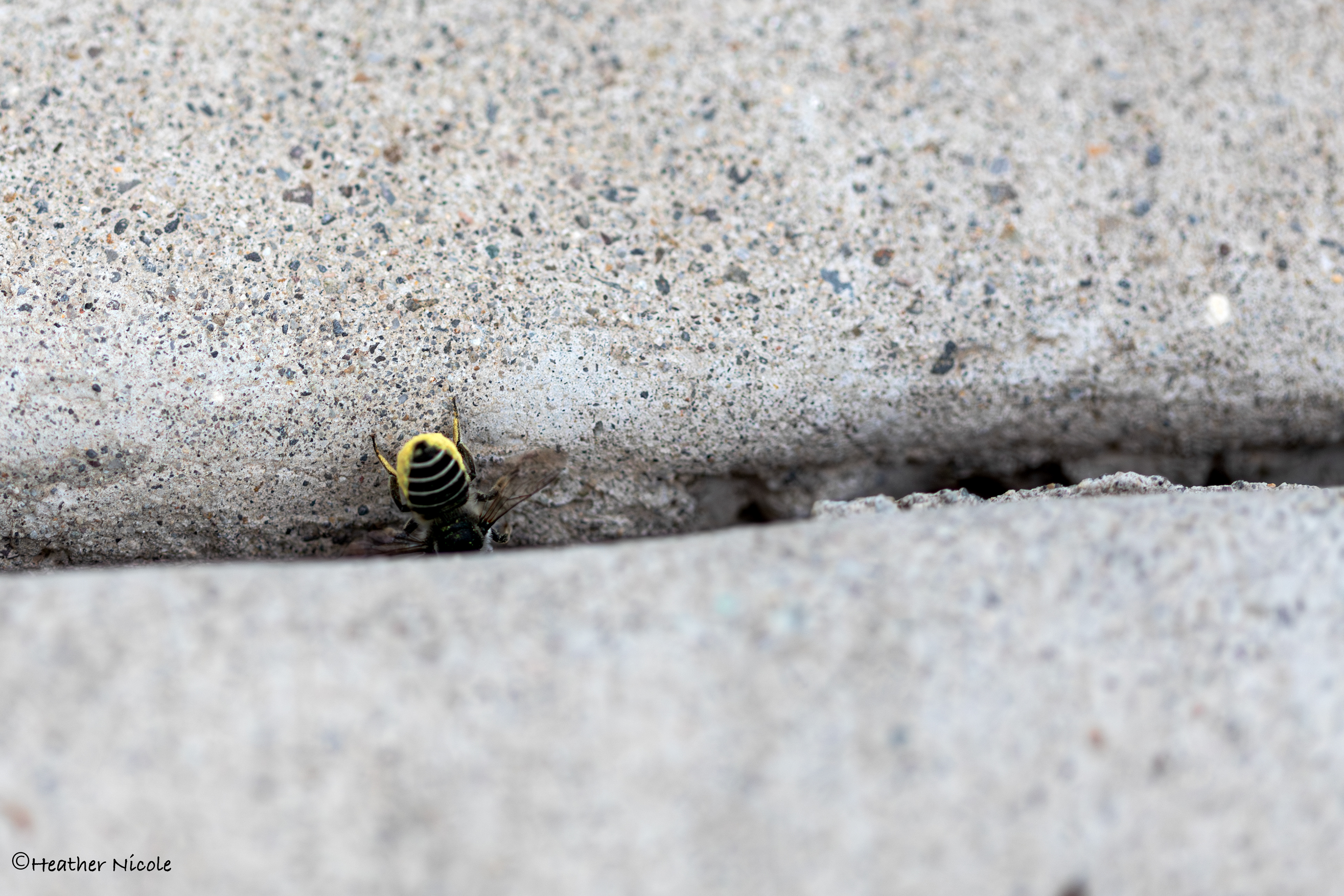
The mother megachile bee brings pollen to the nest (look at that bright yellow pollinated bee butt!) and some nectar in her crop. She kneads the mixture into a bee loaf, adding some of her saliva, which may contain antibacterial and fungicidal substances. It takes many loads to build up a bee loaf large enough to feed one grub from egg to mature size. She diligently visits numerous flowers on her quest to gather the necessary pollen and nectar. When there is enough food, she lays an egg on top. Then she seals that small chamber with chewed up leaves.
If you notice nearly perfect round holes in the leaves of your rose bushes, do not begrudge them that little material that they need to raise their families. She repeats this process of making bee loaves, laying eggs and building partitions until the entire nest hole is full. Then, she builds a final, thicker wall. Shortly afterwards she dies. The next generation feeds on the pollen and nectar bee loaf, grows, and metamorphoses into an adult that remains dormant until the next spring when it chews its way out, mates and is ready to start the circle of life all over again. Both adult males and females emerge in the spring and soon mate.
If you notice nearly perfect round holes in the leaves of your rose bushes, do not begrudge them that little material that they need to raise their families. She repeats this process of making bee loaves, laying eggs and building partitions until the entire nest hole is full. Then, she builds a final, thicker wall. Shortly afterwards she dies. The next generation feeds on the pollen and nectar bee loaf, grows, and metamorphoses into an adult that remains dormant until the next spring when it chews its way out, mates and is ready to start the circle of life all over again. Both adult males and females emerge in the spring and soon mate.
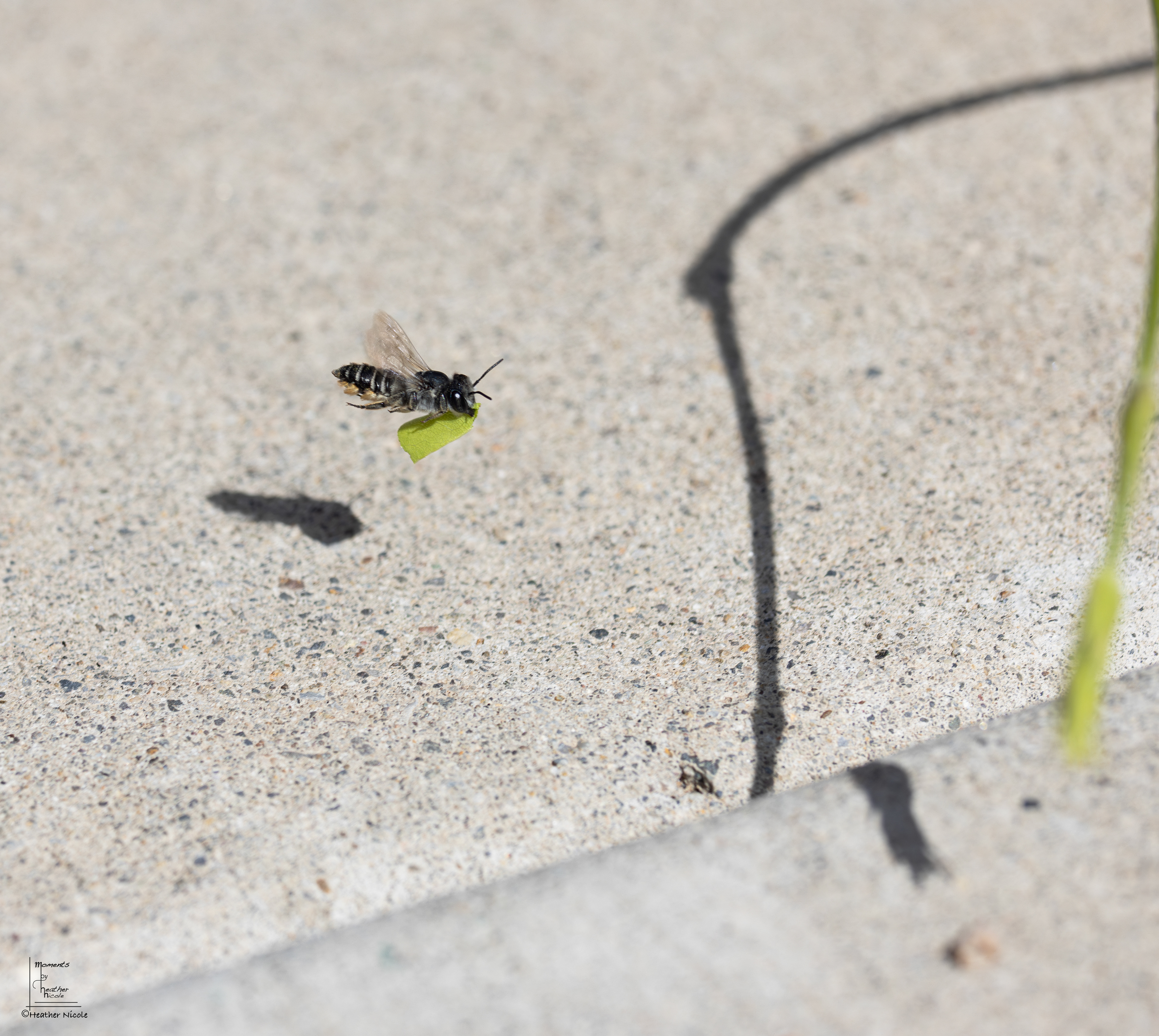
Based on my research, I believe this specific leafcutter bee species is a Flat-tailed Leafcutter Bee (Megachile Mendica.) Flat-tailed Leafcutters are hard to miss: they buzz loudly when flying and foraging for pollen. Once inside flowers, females tend to whirl around, vibrating energetically. This method of shaking pollen loose makes Flat-tailed Leafcutters particularly efficient pollinators! The female Flat-tailed Leafcutter constructs its nest as a series of chambers. Eggs for female offspring, which take longer to develop, are stored in the innermost and most protected chambers, while eggs for males are kept closer to the nest entrance. Adult males only live for up to 14 days. Therefore, they are kept close to the nest entrance so they can emerge from the nest first and find a mate.
Female Flat-tailed Leafcutters often can been seen flying low over the ground in a characteristic zig-zagging pattern. They do this in order to find cavities in hollow stems and sticks to use as nesting places. The zig-zagging flight pattern is exactly what drew my attention to these fascinating bees!
The nests of flat-tailed leafcutters are sometimes preyed upon by Cuckoo leafcutters (genus Coelioxys.) Cuckoo bees defy this conventional archetype — they are kleptoparasites!
Rather than toil away building and provisioning nests for her young, a cuckoo bee will instead rely on the efforts of other bees, and lay her egg in another bee's nest.
Rather than toil away building and provisioning nests for her young, a cuckoo bee will instead rely on the efforts of other bees, and lay her egg in another bee's nest.
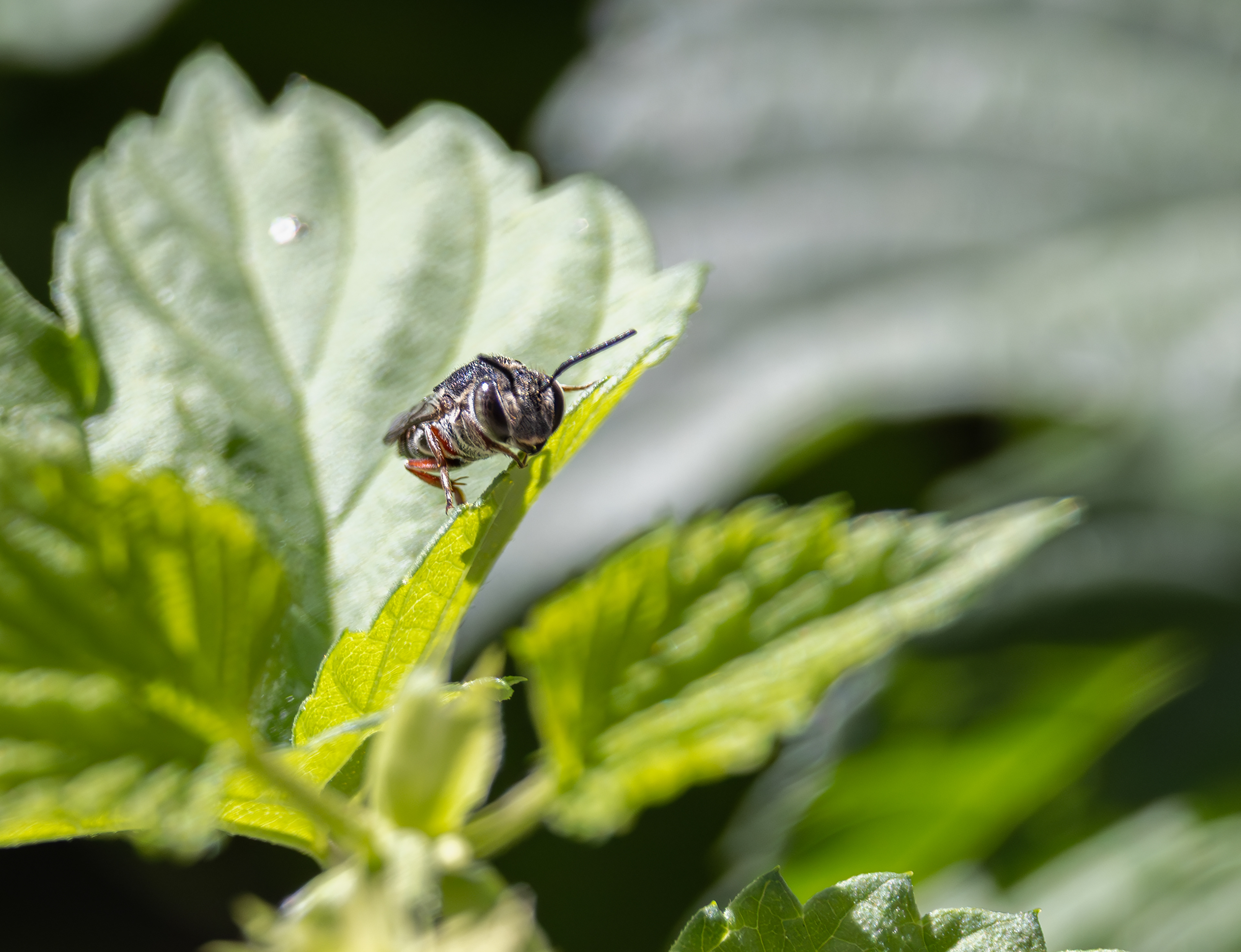

Pictured here ⬆️ is a Sharptail Cuckoo bee (genus Coelioxys.)
When I first noticed them, I thought they were young leafcutter bees emerging from the nest because I always noticed them hovering around the entrance. Then I learned that male leafcutter bees have green eyes so I thought these little green-eyed cuties must be males. Then more photo identification lead me down several more bee shaped rabbit-holes and I learned that these are in fact, Sharptail Cuckoo Bees.
Sharptail Cuckoo bees are solitary, kleptoparasitic insects that lack pollen-collecting hairs and rely on host species to raise their young. Females spend their time flying low to the ground searching for nest entrances, hanging out on flowers to drink nectar and spot potential hosts, or waiting outside a nest entrance for the female leafcutter to leave before she enters and lays her eggs. Sharptails use their sharp, cone-shaped abdomens to pierce sealed leafcutter bee brood chambers, where they lay their eggs. The hatched larvae consume the host's food stores and eggs. This is brood parasitism, an intriguing strategy more commonly associated with their wasp cousins. Cuckoo birds exhibit the same "brood-parasitic" behavior.
Did you know about these bee species? I didn't until about a month ago. Now I want to learn more about the gentle leafcutter bees so I can do more to protect and preserve them. Did yo know you can buy broods of leafcutter bees? Leafcutter bees are beneficial insects. The holes they cut in leaves are not damaging to the plant. They are very efficient pollinators, therefore, they are worth protecting!
Conservation photography isn't about sharing the happiest stories or the most beautiful photos, but it is always fascinating! The intent is to share facts and spread awareness. You don't have to be a photographer to make a difference. Share stories you care about from trusted sources. Avoid sharing AI generated content. Share facts. Spread awareness.
We can all be stewards for our planet and all of the fascinating creatures we share it with.
All things are connected.
All things are connected.
References: Wikipedia, SageLandCollaborative.org, USDA.gov, SharpEatmanGuides.com

Featured Feature!
I have been very busy since returning from Greenland. I have not had an opportunity to collaborate with a new photographer to feature. I didn't want to wait any longer to deliver a newsletter. Rather than featuring a new photographer, here is a recap of the wonderfully talented people I have featured so far. Please visit their websites/social media and show your support for these beautiful humans and their incredible work.
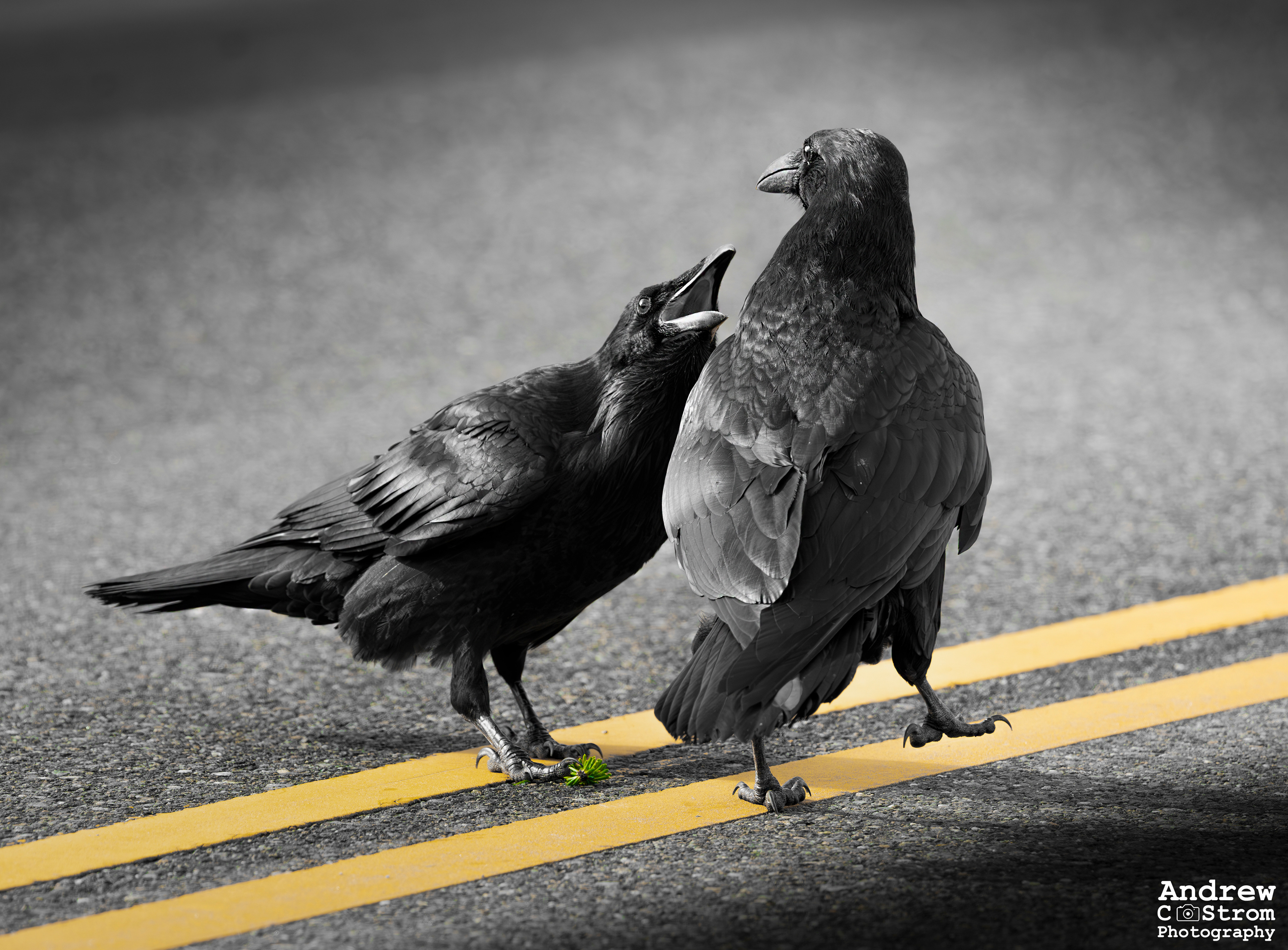
Andrew C. Strom
Please click here to visit Andrew's website and see more of his beautiful work.
Social Media: @AndrewCStromPhoto
Social Media: @AndrewCStromPhoto
©AndrewCStrom

©LindaWilinski
Linda Wilinski
See more of Linda's amazing work by visiting her website here. Also, please follow her on social media @Lindawphotography & @ottersinthewild
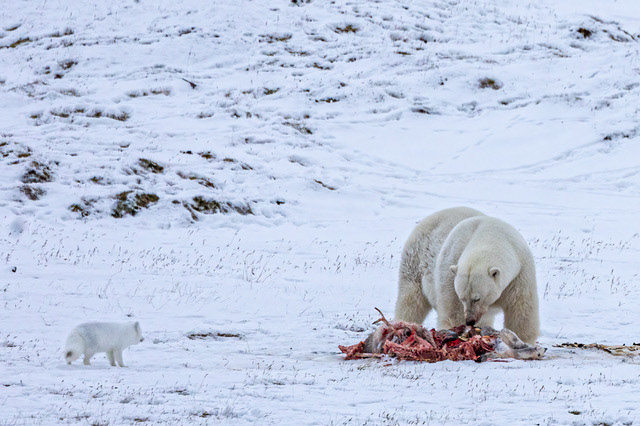
Elizabeth Bourne
To learn more about Elizabeth and see more of her beautiful art, please visit her website:
https://www.philotera.com/
https://www.philotera.com/
©ElizabethBourne
Rick Pott
To learn more about Rick and see more of his beautiful art, please visit his website:
https://www.rickpottphotography.com/
Social Media: @rickbott.photo
To learn more about Rick and see more of his beautiful art, please visit his website:
https://www.rickpottphotography.com/
Social Media: @rickbott.photo

©RickPott
Do you or someone you know want to be featured? Let's talk!
Contact me here to get in touch.
Contact me here to get in touch.

Photo Fact!
What do eggs have to do with photography?
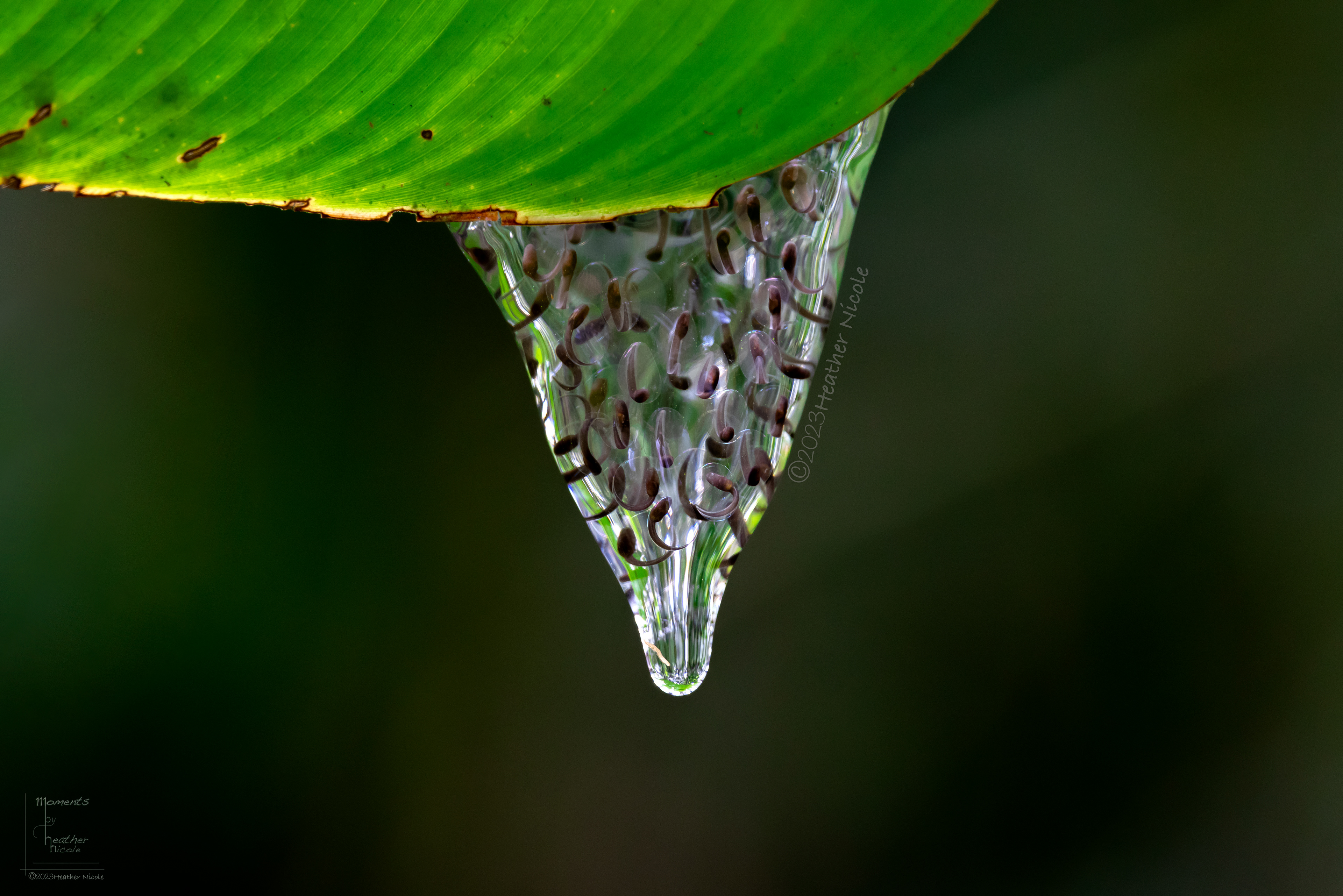
For Decades, Photography Relied on Egg Whites
From roughly 1855 to 1890, albumen prints dominated photography, using paper coated with a solution made from beaten egg whites. Not frog eggs like the one pictured here. But it's a strange reminder that one of photography's most important materials once came from the kitchen.Source: Library of Congress
What do you think?
Want to learn more? Contact me here to schedule a lesson.

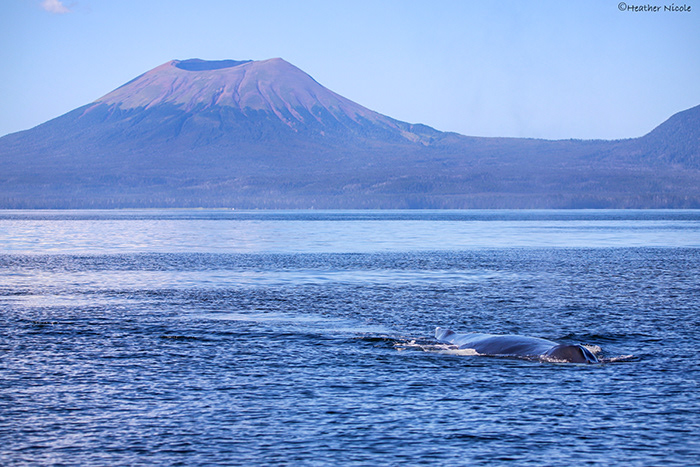
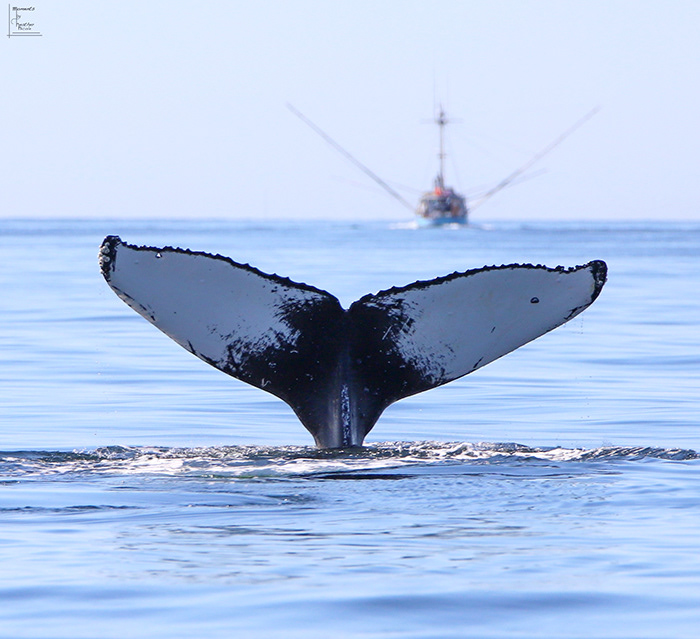
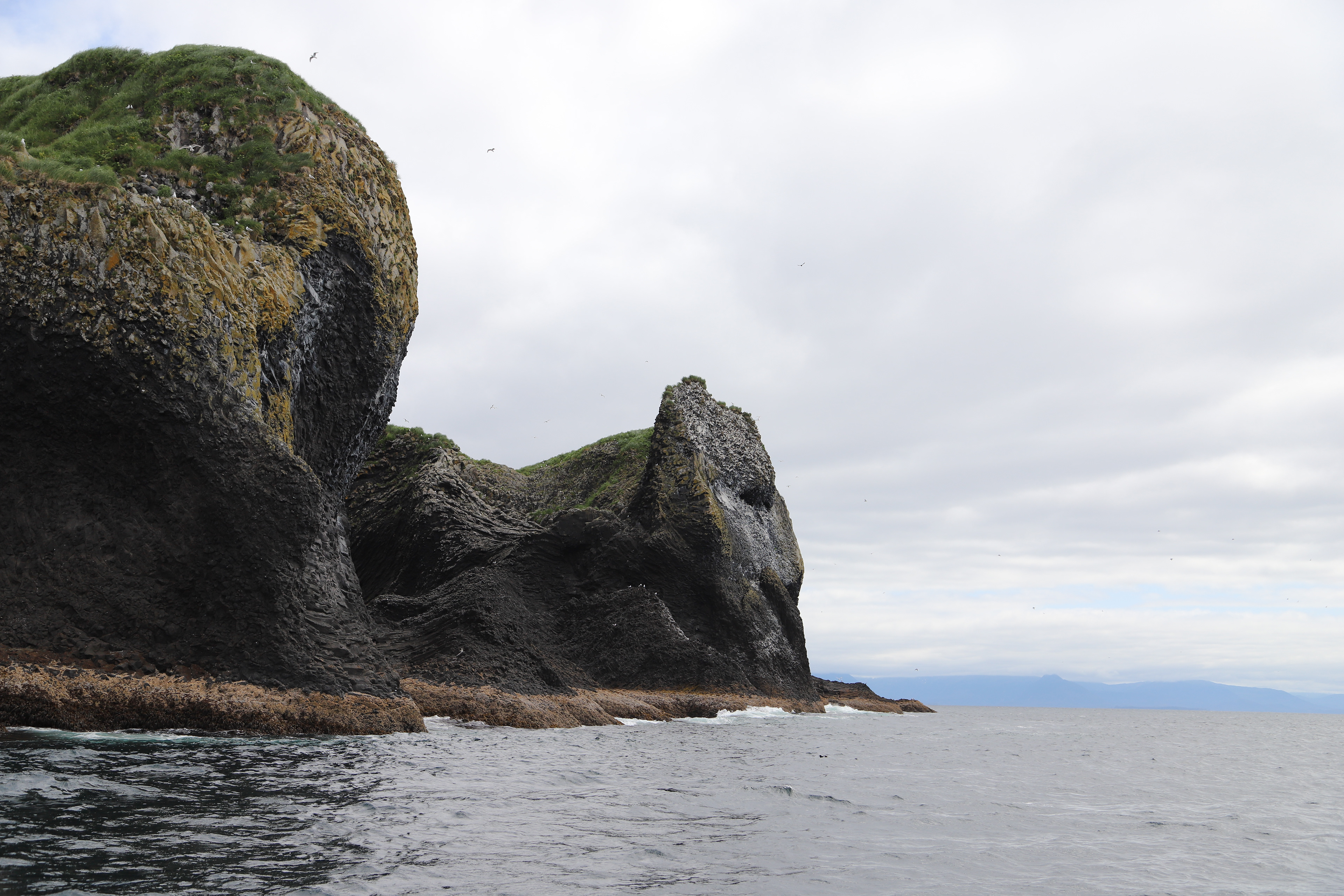
Would you like to travel through the waters of Southeast Alaska with me as your personal photography guide?
There is still time to sign up for this amazing opportunity!
There is still time to sign up for this amazing opportunity!

©MomentsbyHeatherNicole

©MomentsbyHeatherNicole

©MomentsbyHeatherNicole
©MomentsbyHeatherNicole
©MomentsbyHeatherNicole
©MomentsbyHeatherNicole
©MomentsbyHeatherNicole

©MomentsbyHeatherNicole

©MomentsbyHeatherNicole
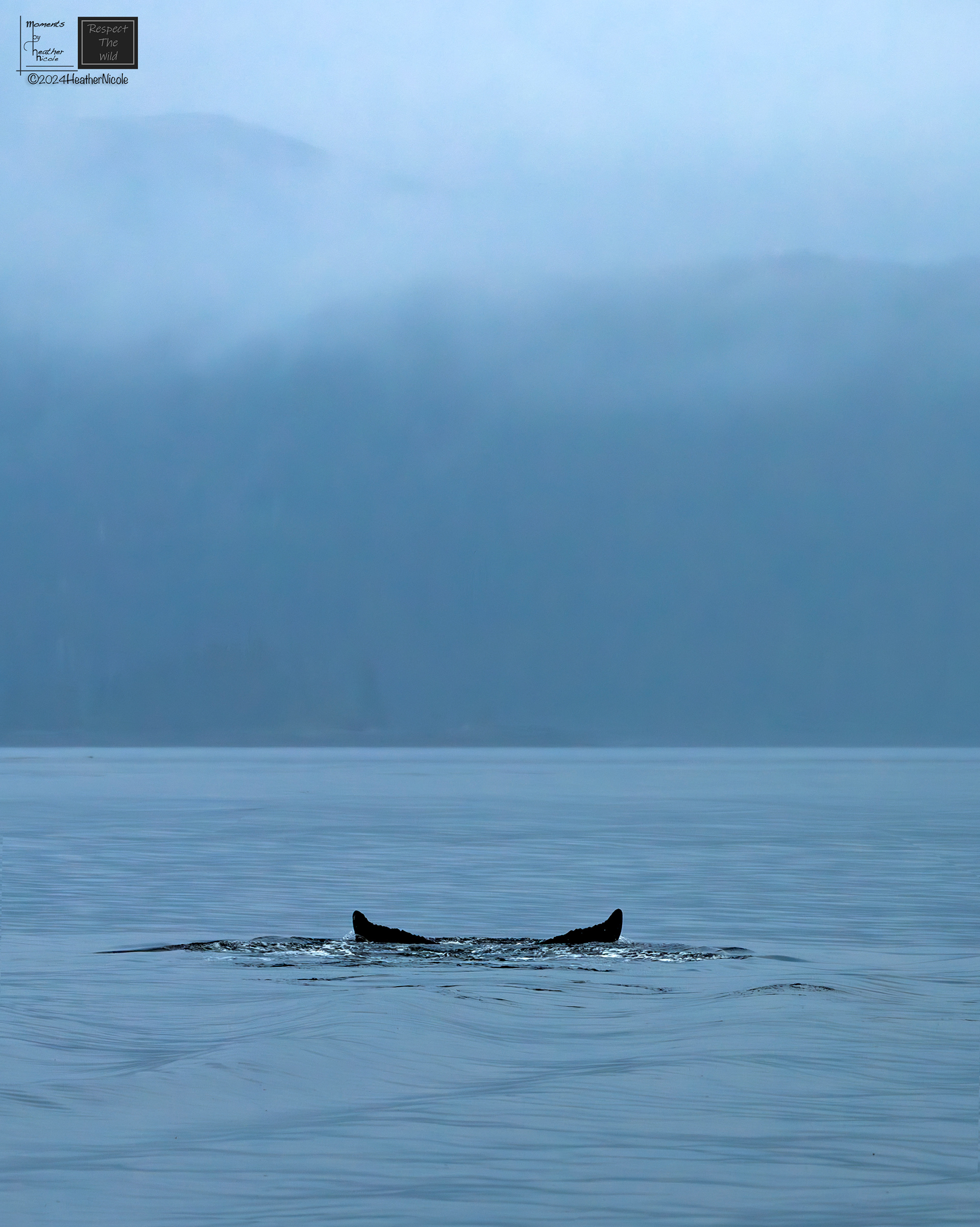
I am partnering with A Whales Song Expeditions to offer a guided photography tour of Seldom Seen Alaska! Our captain and certified naturalist will guide us through the rich, vibrant waters, lush landscapes, and icy fjords of the Alexander Archipelago bringing us close to iconic Alaskan wildlife such as whales, bears, otters, eagles, and so much more; always while keeping a safe and respectful distance. I will offer one-on-one ethical wildlife photography guidance as well as tips & tricks, techniques & critiques to help you bring your photography knowledge to the next level and ensure you make the most of this once-in-a-lifetime adventure. Unlike other photography trips to Alaska, this expedition is both a workshop and an adventure, covering up to 1,000 nautical miles to chase the best light and wildlife action. You’ll refine your skills in tracking eagles in flight, stabilizing shots on a moving boat, and dialing in the perfect settings for Alaska’s ever-changing conditions. Learn to tell powerful visual stories through ethical wildlife photography, master post-processing techniques, and receive real-time feedback from an expert...me! After a day of capturing nature’s finest moments and sharpening your skills, you’ll unwind in remote lodges – recharging both your energy and your gear – ready to frame the next day’s adventure.
Available Dates:
May 1-9, 2027
June 3-11 2027
June 3-11 2027
If you or someone you know is interested, please contact me directly by clicking here. Or simply send me an email at MomentsbyHeatherNicole@gmail.com. I look forward to speaking with you about this adventure opportunity!

Where to find me and my work...
London!
The Nikon Comedy Awards Ceremony
December 8th, followed by a gallery exhibit at Oxo Gallery December 9th-13th, featuring all of the finalists.
Southeast Alaska
December 8th, followed by a gallery exhibit at Oxo Gallery December 9th-13th, featuring all of the finalists.
Southeast Alaska
Seldom Seen Alaska - 9-day guided photography tour.
May 1-9, 2027
Want to travel with me? Contact me here.
May 1-9, 2027
Want to travel with me? Contact me here.
Workshops, Presentations, & Lectures
I really enjoy presenting my photography and telling stories about my experiences and the importance of ethical wildlife photography. If you'd like me to speak at your event or club, let's talk! Please contact me here to book me for a presentation or photography talk.
Did you know I teach photography workshops and one-on-one lessons? Contact me today to learn more!
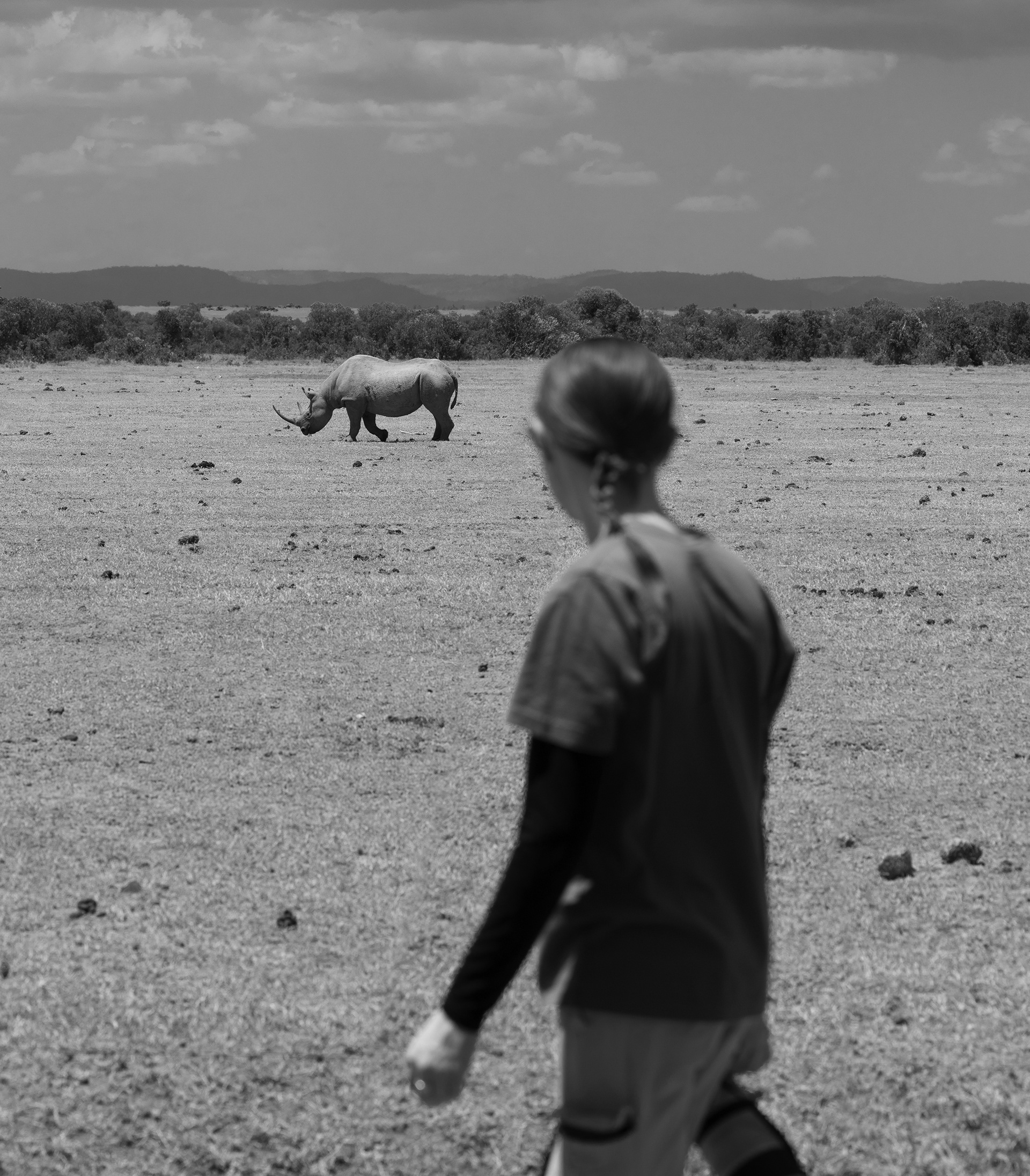

Connecting you to the wild through ethical visual storytelling.
Please click here to visit RespectTheWild.org and learn more about this exciting new venture. If you or someone you know would like to join our mission, please click here to contact us directly. (Or email us at RespectTheWild.org@gmail.com) Let's collaborate and respectfully spread awareness about the importance of respecting Mother Nature and all of her inhabitants.

Thank you!
Thank you so much for spending a little time with my photography.
Find more about me and my work at Moments by Heather Nicole
Find more about my new venture Respect The Wild
Find more about my new venture Respect The Wild
Have you missed a newsletter? Find links to all of my previous newsletters HERE!
Let me know your thoughts. What else would you like to see from me?
Thank you so much for your support and encouragement. It truly means so much to me! 🥰
Please share this newsletter with anyone you think may be interested!
Thank you so much for your support and encouragement. It truly means so much to me! 🥰
Please share this newsletter with anyone you think may be interested!
If you no longer want to receive this newsletter, simply send me an email with "unsubscribe" and I will remove you from the list. No questions asked. No hard feelings.
Enjoy your day.
Enjoy the wild—Respectfully.


©2026MomentsbyHeatherNicole All Rights Reserved